
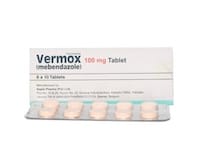
Secure Your Vermox Order Online for Fast Home Delivery
Combating Intestinal Parasitic Invaders
Picture an unwelcome squatter making a home inside your digestive tract. It sounds like something straight out of a nightmare, yet many individuals deal with this unpleasant reality every single day. These organisms, commonly termed helminths, can wreak absolute havoc on your gut, siphoning off your precious nutrition and leaving you feeling completely drained.
Vermox steps into this internal struggle to help you reclaim your wellness. This medication is engineered to track down and eliminate various parasitic intruders. Whether you are facing a solitary worm species or a chaotic, multifaceted infestation, this treatment acts as a vital shield against those sneaky hitchhikers lurking in your bowels.
The drug is remarkably proficient at neutralizing a diverse array of common culprits. Rather than just hitting a single target, it functions as a versatile powerhouse in the realm of anthelmintic therapy. By tackling the underlying problem, it assists in restoring your body’s natural equilibrium, allowing your system to finally focus on absorbing essential nutrients.
Recognizing the Hidden Enemies
Not all worms are identical, so identifying the specific threat is half the battle. Pinworms are likely the most infamous, frequently triggering intense itching that disrupts your nightly rest. They are tiny, thread-like creatures that thrive by settling into your intestinal lining, causing significant irritation and restless sleep for many sufferers.
Then you have the bulkier, more aggressive threats like roundworms, which scientists call Ascaris. These can grow quite substantial, potentially causing intestinal blockages or significant physical discomfort. Alongside them, whipworms and hookworms present their own distinct dangers to your gut health, often operating quietly in the shadows while they slowly drain your vitality.
To help categorize these various biological threats, observe the following common infections that this medication addresses:
- Pinworms (*Enterobius vermicularis*): Typically characterized by localized itching.
- Roundworms (*Ascaris*): Robust, large worms that make their home in the small intestine.
- Whipworms: Often linked to bouts of abdominal discomfort and pain.
- Hookworms: Frequently connected to various nutritional deficiencies.
Managing them can feel like a game of whack-a-mole, where one species might reappear just as you believe the threat has passed. Gaining a clear understanding of these specific organisms allows doctors to customize your treatment and helps patients realize why a full course of medicine is vital for total clearance.
How Mebendazole Functions
Think of mebendazole as a tactical blockade that severs the enemy’s lifeline. It operates by obstructing the worm’s capacity to take up glucose. Lacking this fundamental source of energy, the parasites essentially starve within the gastrointestinal tract, losing the strength required to persist or continue their life cycle.
The biological mechanism is quite remarkable. It focuses on the glucose absorption of the helminth, effectively starving the invaders from the inside out. It is a surgical-style strike that avoids harming your own healthy cells while ensuring the parasites have no way to sustain themselves or reproduce within your intestinal walls.
This specific action is vital when dealing with complex, mixed infestations. Often, a patient might be struggling with a “double whammy” of several different worm types at once. Because mebendazole offers such a broad spectrum of activity, it can neutralize multiple species simultaneously, which is far more efficient than treating them one by one.
By blocking access to their primary fuel, the medication ensures these worms cannot stay alive long enough to inflict further damage. This relentless method leaves the parasites with no alternative but to perish, clearing the path for your body to heal and return to its natural, healthy state.
Interrupting the Biological Cycle
One of the most clever features of this therapy is how it addresses the next generation. Even if you successfully eliminate the adult worms, a hidden threat remains in the form of newly hatched larvae. These tiny newcomers act like a backup army, waiting in the wings to restart the entire cycle.
Vermox serves as a protective barrier against this potential resurgence. It is specifically indicated to stop these newly emerged larvae from developing into fully grown adult worms. This “stop-gap” strategy is essential to ensure the infection is completely wiped out rather than just cycling through your body in a repetitive loop.
Without this layer of prevention, a person might experience temporary relief only to find that symptoms return several weeks later. By interrupting the maturation phase, the medication severs the biological chain of command, preventing the parasitic population from rebuilding itself and launching a second wave of infection.
This thorough strategy is exactly why clinicians insist on strict adherence to the entire prescribed dose. You are not merely fighting the worms you can sense; you are systematically dismantling their entire reproductive strategy to achieve lasting relief and a clean digestive system.
Calculating the Appropriate Amount for Different Ages
Trying to figure out the right amount of medicine can feel like navigating a dense forest without a compass. When you are tackling intestinal parasites, being exact is absolutely critical. If you miss the mark, it is like throwing stones at a bird in flight; you likely won’t hit anything, allowing the intruders to stay comfortable.
For anyone over the age of one, the guidelines are relatively clear, though they must be followed strictly. Typically, a one-time dose is sufficient to clear up common pinworm issues. However, if you are dealing with more tenacious visitors like whipworms or roundworms, the approach changes into a multi-day strategy to ensure every single organism is eliminated.
Medical experts usually customize the approach based on which specific “intruder” is causing the discomfort. You wouldn’t use a sledgehammer to swat a fly, nor a tiny toothpick to stop a rhino. Much like that, the length of your recovery period depends on whether you are fighting a fast-moving pinworm or a much more resilient roundworm infestation.
It is always vital to chat with a healthcare provider before you start any new medical plan. They will look at your medical history and your body weight to determine the right path. This ensures the medicine acts like a sharp scalpel, removing the problem with precision, rather than a heavy club that causes extra side effects.
How to Administer the Medicine Easily
One of the toughest parts of treating little ones is the dreaded “medicine battle.” We have all been there: that chaotic tug-of-war to get a toddler to take a pill. It can turn a simple health routine into a stressful whirlwind that leaves parents feeling completely exhausted and defeated.
To make things smoother, chewable tablet formats have become a total game-changer for many families. These are meant to be chewed easily, making the whole thing feel less like a scary medical task and more like a quick snack. This method reduces choking fears and makes it much easier to stay on track.
When taking the medicine is easy, the likelihood of skipping a dose drops through the floor. Consistency is the secret sauce for winning any battle against parasites. If a child refuses to take their medication, the worms might regroup, meaning the entire effort becomes a waste of time in the end.
The chewable version is especially helpful for anyone who struggles to swallow large, hard pills. By making the process seamless, the medicine can start its work much faster, embarking on its quiet mission to starve the parasites before they can cause further havoc inside your gut.
Timeframes and Success Rates
The length of time you stick to the regimen is just as vital as the pill itself. For example, a pinworm infection might only need a single dose, but you might need a second round to kill any eggs that hatch later. It is a game of persistence and patience.
When it comes to whipworms or roundworms, the schedule is usually longer. These parasites are much more established in the body and require the medicine to stay in your system for a longer period. Think of it like a siege; you cannot just tap on the gates once and expect the enemy to surrender.
If you quit the treatment too soon, you might leave a small group of survivors behind. These leftover worms can quickly multiply, leading to a frustrating cycle of reinfection. Following the instructions exactly as prescribed is the only way to ensure that the “clean sweep” you want is actually achieved.
People often ask how fast they will see an improvement. While the drug starts attacking the worms almost instantly by cutting off their sugar, you might not “feel” better immediately. Relief usually arrives once the parasitic load goes down and the irritation in your gut starts to fade away.
Check out the table below to see a comparison of different treatment paths and their estimated costs for various needs:
| Treatment Path | Length/Style | Estimated Price |
|---|---|---|
| Standard Single Dose | 1 Day (Pinworms) | $15 |
| Extended Course | 3 Days (Roundworms) | $45 |
| Family Pack | Multi-Person Use | $85 |
| Specialized Chewable | Pediatric Friendly | $55 |
Potential Adverse Reactions and Safety Precautions
Most people sail through their course of treatment without encountering any real obstacles. However, the medication isn’t always a quiet passenger in your digestive tract; it can occasionally stir things up. Think of these moments as a temporary recalibration of your internal environment as your body works to restore order.
Stomach-related discomfort is the most common grievance reported. You might encounter a bout of nausea or a mild ache in your midsection as the medication goes to work on the parasites. It is quite similar to a brief skirmish in the gut, with most sensations fading away once the full dose is finished.
A few individuals might feel a sense of cramping or a dull soreness. While these sensations can be a nuisance, they generally do not require cause for alarm. Keep in mind that biological responses are highly personal; a minor twitch to one person might feel much more intense to another.
If your stomach feels a bit unsettled, try ingesting the pills alongside a meal. Using food as a buffer can often shield your stomach lining from irritation. This simple adjustment is a favorite trick for those wanting to ensure the experience remains as comfortable as possible.
Observing Rare Sensitivities
In the world of pharmacology, “black swans” exist—unpredictable and infrequent reactions that don’t affect every user. While these occurrences are exceptionally rare, you must remain the vigilant captain of your own health. Staying alert to subtle shifts in your physical state is always a wise strategy.
Be particularly mindful of any allergic responses. Should you detect swelling in your tongue, throat, or face, or notice an itchy, sudden skin rash, stop using the product immediately. These are major red flags suggesting your immune system is reacting to the drug rather than the worms.
More significant, though still uncommon, reactions might involve systemic shifts. If you start feeling dizzy or notice your bowel habits change in a persistent way, it is time to pause. It is far better to exercise caution than to brush off a warning from your body.
Never disregard a lingering sense of general malaise. If you feel like something is simply “not right” and the feeling doesn’t match typical side effects, trust your gut. Your body communicates through quiet cues that deserve your full attention and serious consideration.
Guidelines for Vulnerable Groups
Pregnancy and nursing require a much more cautious approach to any pharmaceutical intervention. This isn’t about being timid, but about maintaining the highest safety margins for both the parent and the infant. The way your system metabolizes medicine undergoes profound shifts during these life stages.
If you are currently pregnant or are planning a pregnancy soon, you must consult a doctor before beginning this regimen. The safety profile during pregnancy is a specialized topic that demands professional guidance. You wouldn’t want to gamble with the delicate equilibrium of a developing child.
For those currently breastfeeding, the conversation is equally vital. Even though the medicine is designed to target parasites in the intestines, there is the question of whether any of it might pass through breast milk. A healthcare provider can help balance the need to treat an infection against potential risks.
Always be completely transparent with your medical team regarding your status. They are equipped to build a tailored plan that keeps you and your baby safe. Having a thorough discussion now is much better than navigating complex questions later in your postpartum journey.
When to Consult a Physician
Knowing when to reach out to a doctor is just as vital as understanding your dosage. If your symptoms shift from minor discomfort to genuine distress, don’t wait for the next scheduled dose to pass. Taking early action can prevent a small issue from turning into a major headache.
Seek immediate medical help if you experience any of the following:
- Intense or lasting abdominal pain that exceeds the feeling of mild cramping.
- Continuous vomiting or the inability to keep any fluids down.
- Signs of an allergic reaction, including difficulty breathing or hives.
- The presence of blood in your stool or drastic changes in bowel movements.
- Extreme skin blistering or severe rashes.
Sometimes, the infection itself can mimic much more serious medical conditions. If you experience an abrupt onset of fever or a sense of extreme fatigue, give your physician a call. It is always better to hear that everything is fine than to ignore a genuine medical issue.
The ultimate goal is to eliminate the infection without causing a secondary health crisis. If you feel the treatment is going sideways, reach out to a professional. They can help decide if your symptoms are a normal part of the “clean sweep” or something that requires a different medical approach.
How to Obtain and Pay for Treatment in the United States
Understanding the Prescription Requirements
If you think you can simply grab Vermox off a supermarket shelf next to the bread, think again. In the American healthcare system, mebendazole is strictly categorized as a prescription-only medication. You cannot bypass the medical professionals; a licensed practitioner must authorize your treatment plan before a pharmacist can legally dispense it to you.
Trying to dodge this protocol usually results in a frustrating trip to the pharmacy counter where you’ll be turned away. Your doctor needs to play detective first, ensuring your symptoms are truly caused by a parasitic infection and not some other ailment. It is a vital safety net that ensures the medicine matches the specific problem at hand.
The journey typically kicks off with a consultation, whether you prefer a video call via telehealth or a traditional office visit. Once the doctor decides an anthelmintic is the right path, your prescription is sent to your local pharmacy. This standard sequence is what keeps medical care both orderly and safe for everyone involved.
Don’t let it catch you off guard if you can’t find the “Vermox” label while searching through US pharmacy aisles. While the active ingredient is a staple, that specific brand name often takes a backseat to generic options in America. You will likely find yourself discussing the generic equivalent with your pharmacist during your appointment.
Price Points and Generic Savings
When the conversation turns to your wallet, the cost of your medication can fluctuate depending on your preferred pharmacy. In the United States, a standard course of mebendazole generally runs anywhere from $15 to $45. That said, your insurance provider can play a massive role in determining your actual out-of-pocket expenses.
If you are looking to pinch a few pennies, switching to the generic version is a brilliant move. These medications contain the exact same active chemical as the brand-name counterparts but usually arrive with a much friendlier price tag. Think of it like buying store-brand milk; it serves the same purpose without the premium for the packaging.
Pricing isn’t one-size-fits-all, so a little comparison shopping can go a long way. You might discover that a small, independent pharmacy offers better rates than the giant national chains. To make it easier, I’ve laid out how the expenses typically break down for the average patient:
| Medication Type | Estimated Cost (USD) | Availability |
| Brand Name (Vermox) | $40 – $70+ | Limited in US |
| Generic Mebendazole | $15 – $45 | Widely Available |
| Online/Mail Order | $20 – $50 | Common |
A lot of folks find that using a discount card or a price comparison tool can slash their total bill significantly. It is worth spending five extra minutes to check these rates before you reach the checkout. In the medical world, a little bit of legwork often saves you a lot of money.
Global Availability Versus US Access
You might have heard “Vermox” mentioned as a household name in places like Australia, Canada, or throughout Europe. In those parts of the world, the brand is a very common sight in most pharmacies. However, in the United States, the branding is much less prominent, and you will mostly run into the generic name.
This regional difference often leaves people confused when they see the name online and can’t find it at their local drugstore. While the medication itself is perfectly available within the US, the specific “Vermox” label isn’t the primary way it is marketed. It is essentially a matter of local naming customs and branding choices.
Be extremely wary of any website promising to ship “Vermox” internationally without requiring a valid prescription. While skipping the doctor sounds easy, those websites are often a total gamble. You can never be certain if the pills are authentic or if they were stored under the correct temperature during transit.
The safest route is to stick with a verified, US-based pharmacy and follow the proper prescription process. This guarantees you receive a regulated, high-quality product that has been vetted for its potency. It may take a few extra steps, but doing things the right way is always better in the long run.
Analyzing Different Mebendazole Varieties and Formats
Comparing Swallowed Pills to Masticable Forms
Deciding whether to use a 500 mg standard tablet or a version meant for chewing is a bit like picking between a hearty meal and a light treat. For most grown-ups, the 500 mg tablets are the heavy lifters. These are built for efficiency, designed for those who can gulp down a pill without any drama.
They are straightforward, no-frills tools for people who simply want to address the issue and move on with their busy lives. There is no need for any fuss when you are dealing with a high-potency option that gets the job done in one go.
However, the chewable versions are in a league of their own. These are specifically intended for patients aged one year and older. For parents, these are absolute lifesavers when dealing with toddlers. Trying to force a bitter, large pill down a small child’s throat often leads to a meltdown.
A chewable format makes the whole process much smoother for the entire family. That said, there is a minor trade-off regarding the physical sensation. Since they must be chewed, the flavor and mouthfeel are much more noticeable. A large tablet might feel more “medical,” whereas a chewable might feel like a piece of candy.
Understanding Brand Names versus Generic Versions
Stepping into a drugstore can feel like wandering through a labyrinth of identical-looking packaging. You might spot the “Vermox” brand looking sleek and professional, while the generic box appears much more basic. It is easy to think the name brand is inherently better, but the real power lies in the active ingredient.
Generic mebendazole is a chemical twin to the name-brand product. Its job is to stop newly hatched larvae, such as worms, from growing inside the intestinal tract. Because the core component is exactly the same, the medical results should be identical regardless of whether you pick the expensive box or the cheaper one.
It is a lot like grabbing a store-brand aspirin. The packaging might not pop, but it will kick that headache just as hard. The main thing you will notice is the difference in your final receipt, as the price gap can be quite wide when comparing the two options.
Many savvy shoppers realize that choosing generics is a brilliant way to reduce medical spending while maintaining high standards of care. If your physician hasn’t mandated a specific brand for a medical necessity, the generic is usually the smartest move. It protects your budget while ensuring the treatment works perfectly.
Looking at Administration Style and Overall Cost-Efficiency
The way you take your medication can change your entire perspective on the treatment. Some people love the “set it and forget it” style of swallowing a pill with plenty of water. It is a quick method that ensures you don’t have to focus on any unpleasant tastes.
Other people might prefer chewable formats, though they do require you to pay attention to the texture in your mouth. While this is a dream for children, some adults might find a dissolving tablet slightly off-putting. It really comes down to what fits your personal comfort and daily routine.
When you are calculating which option offers the best value, don’t just stare at the price on the box. You must look at the total amount of medicine and the strength of each dose. A slightly pricier box might actually save you money if it covers the entire course of treatment.
Consider these factors when deciding which option fits your needs best:
- High-Strength Tablets: The top choice for adults; delivers maximum potency in one single dose.
- Chewable Formulations: Perfect for children; focuses on making administration simple rather than pill size.
- Generic Options: An excellent way to lower costs; provides identical effectiveness to name brands.
- Bulk Quantity: Often the most economical per milligram if you require a lengthy course.
Navigating Online Purchases and Delivery Details
Hunting for healthcare products in the digital wilderness can feel like a high-stakes game of musical chairs. You might find yourself eyeing a flashy site promising bottom-of-the-barrel prices, but skepticism is your best shield. When searching for antiparasitic medication, it is paramount to value your wellness over a bargain to steer clear of fraudulent goods.
Look specifically for accreditation symbols or “verified” marks from recognized regulatory bodies. A genuine online pharmacy operates with a sense of calm professionalism. If a webpage tries to bully you into a “buy now” decision before you can even scan the components, run the other way. Paying a premium for genuine peace of mind is a wise trade.
Before you pay, confirm that the vendor utilizes encrypted, secure payment channels. That little padlock icon in your web browser’s address bar is your primary signal. Choosing a credit card over a direct wire transfer adds a vital safety net if the transaction process turns into a total disaster.
Right before you finalize the checkout, take a moment to scrutinize your delivery information. A tiny mistake in your street number can send your parcel on a wild goose chase through the postal system. It is a small chore, but it saves you from the massive headache of chasing a missing box of medical essentials.
Determining if a Seller is Real
Online marketplaces are crowded with digital phantoms that vanish when you need them most. To separate the real deals from the clever fakes, search for a physical storefront address and a ringing telephone line. Any business that hides behind nothing but a generic contact form is likely just a fly-by-night setup.
A friend once wasted a fortune on a site that looked quite legitimate at first blush. It was a complete swindle; the box arrived much later than promised, and inside were nothing but useless pieces of chalk. Don’t let your experience with mebendazole turn into a cautionary tale like his.
Seek out feedback on independent review sites rather than trusting the testimonials plastered on the company’s own landing page. Those internal reviews are often carefully curated to create a flawless illusion. You crave the gritty reality provided by actual users who have truly received and inspected their medicine.
If a website demands your Social Security number or other deeply personal data that isn’t required for a prescription, shut it down. A legitimate shop needs your medical orders and payment details, but they certainly don’t require a full biography to mail a simple box of tablets to your door.
Expected Arrival Times and Courier Logistics
In the world of pharmaceutical orders, timing is the name of the game. Opting for domestic shipping is usually the safest bet, with most items landing on your doorstep in three to five business days. If you are battling a stubborn infestation, you don’t want to be guessing whether your package is languishing in a warehouse.
Ordering from across the ocean can be an entirely different beast. While it might seem cheaper at the start, the “hidden costs” tend to snowball. You might find yourself stuck with surprise customs fees or long waits at the border, turning a quick delivery into a month-long saga of annoyance.
Always inquire about the specific courier method before you pull the trigger. Some shops provide standard mail, which is budget-friendly but agonizingly slow, while others offer express courier options. If your symptoms are acting up, spending that extra $15.00 for overnight delivery is often worth every single penny.
Keep a sharp eye on your provided tracking number. Most honorable companies will issue this the moment the shipping label is produced. If the tracking number stays stuck on “label created” or simply refuses to work, you should immediately start contacting your bank or the vendor’s support desk.
Ensuring Your Medication Stays Effective
The long trek from a storage facility to your mailbox can be a brutal ordeal for sensitive drugs. Drastic temperature shifts act as a silent destroyer of chemical potency. If your package arrives looking like it sat in a sweltering mailbox during a mid-summer heatwave, proceed with extreme caution.
When the box arrives, examine the exterior with a critical eye. The container should look untouched, not smashed or soggy. If the safety seal on the bottle or the blister strip looks like it has been messed with, refuse to use it. It is better to be cautious than to ingest compromised pills.
Always verify the expiration date stamped on the container. It sounds like common sense, but when life gets hectic, these details are easy to miss. You don’t want to finish a whole course of pills only to find they were already expired before they even left the warehouse.
Use this checklist to inspect your shipment upon arrival:
| Inspection Point | Warning Sign | Perfect Condition |
| Outer Package | Damaged, damp, or crushed | Sturdy and intact |
| Product Seal | Missing or visibly altered | Factory seal is unbroken |
| Expiry Date | Date has already passed | Good for several months |
| Tablet State | Crumbled or discolored | Matches original appearance |