
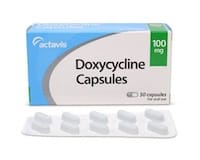
Secure Doxycycline Deals: Order Your Prescription Online Now
Typical Therapeutic Uses and Clinical Roles
Imagine a doctor’s toolkit; doxycycline is like the multi-purpose tool that always seems to fit the job. Rather than focusing on a single ailment, this medication hunts a diverse array of bacterial intruders. Whether you are battling a persistent breakout on your jawline or a heavy ache in your chest, it serves as a frontline defense.
The skin is perhaps the most frequent battlefield for this drug. It acts as a heavy hitter for those struggling with rosacea or acne, soothing the swelling and redness that often feels like an uninvited guest. By neutralizing the bacteria hiding deep within your pores, it helps clear those painful, deep-seated abscesses.
It also steps up to the plate when dental health is at risk. When gum disease begins to creep in, bringing inflammation and discomfort, doxycycline can intervene. It dismantles the bacteria fueling that swelling, preventing a small issue from spiraling out of control and keeping your smile bright.
This medication is a true workhorse for internal battles as well. Physicians often prescribe it to tackle respiratory tract issues, including chest infections, and the intense discomfort of urinary tract infections (UTIs). It even extends its reach to fight certain eye infections that might otherwise cause lasting irritation.
If you have been hiking through tall grass, you might worry about what the bugs left behind. In these instances, doxycycline is often a lifesaver. It is highly effective against many infections transmitted by mites, lice, ticks, and even specific animals that might carry various pathogens.
In the sensitive area of sexual health, it remains a fundamental cornerstone of modern treatment. Doctors frequently lean on it to manage sexually transmitted infections (STIs), particularly gonorrhea. It serves as a shield, working to eliminate bacteria that attempt to settle in your reproductive system, which prevents long-term complications.
However, do not mistake this antibiotic for a cure-all for every ailment. It is a common slip-up to assume this pill can touch a nasty cold or the seasonal flu. Since those illnesses are viral, doxycycline will simply sit idly by, unable to make a dent. It is a specialist for bacteria, not a generalist for all sickness.
To make things crystal clear, I have categorized the primary uses in the chart below. Knowing exactly what this medication can—and cannot—do is the secret to using it effectively and safely.
| Category of Infection | Associated Conditions | How It Works |
| Dermatological | Acne, Rosacea, Abscesses | Combats bacteria on the skin |
| Respiratory/Urinary | Chest infections, UTIs | Fights bacteria within the body |
| Vector-Borne | Infections from ticks, lice, and mites | Eliminates pathogens carried by animals |
| STIs | Gonorrhea and other STIs | Destroys sexually transmitted pathogens |
How to Take Your Doxycycline Properly
Trying to understand antibiotic instructions can feel like wandering through a dense fog without a compass. When a physician writes you a prescription for doxycycline, they are essentially deploying a tactical unit to hunt down pathogens. Since every illness follows its own peculiar pattern, adhering to the specific instructions for your medication is absolutely critical.
If you are fighting a deep-seated internal battle, like a persistent lung infection or a problem in the bladder, your physician will likely opt for a more forceful regimen. Higher quantities are frequently ordered to maintain a potent level of the drug within your circulatory system. It is a concentrated, relentless campaign designed to crush bacteria before they can regroup.
The playbook changes entirely when you are tackling skin conditions like rosacea or acne. Rather than a sudden, violent burst of medication, doctors often lean toward a marathon approach using smaller doses over a long period. This method functions as a protective barrier, soothing skin inflammation gradually rather than launching a sudden, intense attack on microbes dwelling in your skin.
The moment you swallow your pills can determine whether you experience a quick recovery or a churning, upset stomach. While an empty stomach might allow the drug to enter your system faster, it can also make your digestive tract feel extremely unsettled. Most patients find that swallowing their dose with a large glass of water provides the most comfort.
Maximizing Effectiveness and Reducing Side Effects
You may find that your pharmacy provides different types of pills, including some categorized as delayed-release. Consider the standard versions as an emergency squad that rushes into your system with immediate impact. They work with incredible speed, but they can occasionally irritate the tissues of your esophagus if you go to bed right after swallowing them.
Conversely, delayed-release versions act more like a steady, marching line of soldiers. These are engineered to discharge the medicine in a much more measured way as they travel through your gut. This specific design is a godsend for individuals who struggle with nausea or frequent indigestion when using traditional doxycycline formulations.
It is crucial that you do not pair your medication with calcium-heavy foods or supplements. Items like cheese, milk, or even some multivitamins can grab hold of the antibiotic, essentially locking it away and keeping it from reaching your bloodstream. If you enjoy a yogurt snack, make sure there is plenty of time between your meal and your pill.
The golden rule of antibiotic use is to finish every single pill, even if the symptoms vanish. It is wildly tempting to quit the moment you feel your energy returning or your skin clears up, but that is precisely when the most resilient bacteria are still hiding. Stopping prematurely might simply pave the way for a much more stubborn infection later on.
The following chart outlines several common prescription varieties and their rough price points for a typical course. Keep in mind that these prices are merely educated guesses and will fluctuate depending on your local pharmacy and insurance provider.
| Medication Style | Normal Length of Use | Rough Price Estimate |
| Standard Doxycycline | 7-14 Days | $25 – $45 |
| Delayed-Release Capsules | 7-14 Days | $40 – $70 |
| Long-term Acne Protocol | 3-6 Months | $150 – $300 |
| Acute STI Treatment | Single/Short Dose | $30 – $55 |
Adverse Reactions and Precautionary Measures
Starting a new prescription can feel like stepping into a dark room without a flashlight. Although doxycycline is a powerhouse at fighting off various bacterial invaders, it won’t always play nicely with your body’s natural internal environment. For many patients, the first skirmish takes place in the gut.
As the medicine works its magic, it can disrupt your delicate microbial balance. This often manifests as digestive discomfort, a frequent companion during your course of treatment. You might find yourself dealing with a churning stomach, mild nausea, or even a bout of diarrhea.
While these symptoms are typical, they can certainly dampen your mood when you are already fighting an infection. To ease the irritation, consider taking your pill with a small amount of food rather than on an empty stomach. A light snack acts as a protective buffer for your stomach lining.
However, be mindful that not all snacks are created equal. While a little food helps prevent nausea, certain nutritional choices can actually sabotage how your body absorbs the medicine. Timing your meals and your pills is a delicate balancing act for your digestive system.
Heightened Sensitivity to Sunlight
If you are someone who loves soaking up the rays at the beach, you need to be incredibly vigilant. Doxycycline is famous for inducing photosensitivity, making your skin much more vulnerable to UV damage. It is as if your body’s natural sun protection has been temporarily stripped away.
A simple afternoon stroll in a local park might result in a blistering sunburn that feels far more severe than a typical burn. This isn’t just a minor redness; it can evolve into a painful, inflammatory skin reaction. You should essentially treat yourself as if you are wearing invisible, very thin clothing.
To stay protected, reach for high-SPF sunscreen and a wide-brimmed hat. Even if the sky is overcast, the sun’s rays can still find a way to strike your skin. Think of these items as essential armor that you must wear until every last pill has left your system.
Many people notice this sensitivity peaks during the bright summer months. If a tropical vacation is on your horizon, please consult your doctor about your schedule. It is far better to be cautious now than to spend a hard-earned holiday nursing a painful, sun-induced skin irritation.
Warning Signs Requiring Urgent Care
Most side effects are mere nuisances, like a minor annoyance, but some are red flags that require an immediate retreat to a clinic. You must keep a sharp eye out for any signs of an allergic reaction. If you spot a sudden rash, hives, or swelling of the face or throat, stop use and seek help immediately.
Sharp or persistent abdominal pain is another symptom that should never be ignored. While a little indigestion is a common occurrence, intense cramping might suggest something more serious, such as colon inflammation. Please do not try to “tough it out” when your body sends such loud distress signals.
Seek medical attention urgently if you experience any of the following:
- Wheezing or having difficulty breathing
- Severe, watery diarrhea that could indicate a secondary infection
- Sudden changes in your vision or extreme dizziness
- Confusion or a severe, throbbing headache
Ignoring these warnings is much like ignoring a smoke alarm in your house. It is always safer to investigate the source of the trouble immediately rather than waiting for the fire to spread. Your long-term health is far more important than the convenience of waiting for your next scheduled check-up.
Dietary Habits and Drug Interactions
Navigating your daily routine while on doxycycline can feel like walking through a minefield. Certain substances act as “bodyguards” for the bacteria, preventing the antibiotic from ever reaching its target. This effectively renders your medication useless, allowing the infection to run rampant in your system.
The most notorious culprit is the calcium found in dairy products. Items like yogurt, cheese, and milk can bind to the drug, which prevents it from being absorbed into your blood. If you are a fan of dairy, you will need to time your doses carefully to ensure treatment efficacy.
Keep these other substances at a safe distance from your medication:
- Antacids: Magnesium and aluminum can block how your body absorbs the drug.
- Iron Supplements: These can bind to the medication much like calcium does.
- Multivitamins: Many of these contain minerals that interfere with the drug.
- Alcohol: It won’t block absorption directly, but it can increase stomach irritation.
If you are currently taking supplements for heart or bone health, ensure your healthcare provider is in the loop. It is all about managing your body’s internal chemistry so the medicine can do its job without being sabotaged by your daily diet.
Age-Specific Considerations and Safety
Every human body reacts differently to doxycycline, particularly when considering the most vulnerable populations. Age and your current developmental stage play a massive role in how your system processes and stores this antibiotic. A dose that works for an adult might be problematic for someone else.
For teenagers and children, there is a specific concern regarding the development of teeth and bones. Because doxycycline can bind to calcium, it is known to cause permanent discoloration in the teeth of growing children. This is precisely why doctors often approach prescribing it to younger people with great caution.
Pregnant women or those who are breastfeeding should also approach this medication with extreme care. The balance between a drug’s benefit and its potential risk is a delicate one that only a doctor can weigh. Always tell your doctor if you are pregnant or planning to conceive before starting a new course.
Lastly, older adults might find that their liver or kidneys process the medicine differently than a younger person’s. As we age, our internal filtration systems can become somewhat more sluggish. Always ensure your physician has a complete view of your medical history to tailor the treatment to your specific needs.
Analyzing Costs and Market Value
Retail Pricing and Volume Discrepancies
Stepping into a local drugstore can feel like entering an unpredictable bazaar. You might notice that the cost varies wildly depending on how many pills are in the container. A tiny handful of 7 to 10 capsules might only run you a few dollars.
However, a full month’s supply often carries a much heavier price tag. It is a bit like buying groceries; grabbing in bulk usually makes the unit price drop significantly. A 30-day supply often sits between $15 and $40.
If you need a 90-day supply, expect to pay closer to $100 or even more. These fluctuations depend heavily on the specific pricing model used by your local pharmacist. Always keep a mental baseline of these expected amounts to avoid any surprises.
Don’t let a large bottle of 100 capsules fool you into thinking it’s always the best deal. Always calculate your total out-of-pocket expense first. If your insurance has strict limits on pill counts, a larger bottle might actually cost you more in the long run.
To help you prepare, here is a rough guide to what you might see at the checkout counter:
| Amount | Typical Retail Price Range |
| 10 Capsules | $5 – $12 |
| 30 Capsules | $15 – $45 |
| 90 Capsules | $40 – $110 |
Generic vs. Brand-Name Options
The debate between generic and brand-name medications is a classic tug-of-war. When it comes to doxycycline, the winner for your wallet is usually the generic. Most people opt for these because they provide the same medical benefits without the expensive marketing fluff.
These generic versions must adhere to rigorous standards for purity and strength. They are essentially the same medicine. Think of it like buying store-brand cereal; it does the job perfectly fine without demanding a premium price for the box.
A physician might occasionally suggest a branded version if they suspect a slight difference in how your body absorbs it. However, for most bacterial issues, the generic is the gold standard for saving money. Always ask your pharmacist for the cheapest equivalent to prevent your bills from ballooning.
Keep these key distinctions in mind when choosing:
- Cost: You will almost certainly pay much less for generic versions.
- Ingredients: Both versions contain the same antibiotic, though brands may use different fillers.
- Availability: You can find generics at nearly every major pharmacy chain.
Milligram Strength and Your Total Bill
The actual strength of your dose is a massive factor in your final bill. While a 50mg dose sounds cheap, the math changes if your infection requires a much higher concentration. You are effectively paying for every milligram of active medicine you consume.
Consider this: if you are prescribed 100mg capsules instead of 50mg ones, you might only need half as many pills to meet your daily needs. Yet, if your total daily milligram count stays the same, the price difference might be negligible. It is a mathematical game.
It is quite easy to get tripped up by the numbers. A prescription for 100mg of doxycycline seems simple, but if you are taking multiple capsules to reach a target, your receipt will reflect that volume. Always focus on the total milligrams prescribed rather than just the pill count.
Market Shifts and Healthcare Settings
Prices are never set in stone; they dance around based on how much supply is available. If a manufacturer hits a production snag or a shortage, prices might spike overnight. This pharmaceutical volatility can catch many patients off guard.
Where you receive your medicine also dictates the price tag. Outpatient settings are generally much more affordable, as you are simply picking up a standard prescription from a local shop. This is the most cost-effective way for most people to manage treatment.
In contrast, hospital-based inpatient costs can feel like a gut punch. When you are treated in a hospital, you aren’t just paying for the pill itself. You are paying for the nursing staff, the administration, and the facility’s overhead, which can add hundreds of dollars to the cost.
Several variables influence these shifting prices:
- Supply Chain Issues: A lack of raw materials can drive costs upward.
- Insurance Coverage: Your specific plan’s formulary will determine your actual out-of-pocket cost.
- Pharmacy Location: Large chains and small independent pharmacies often have different pricing structures.
The Process of Acquiring Your Prescription
Trying to secure your medicine can feel like wandering through a dense, disorienting fog. Once your doctor provides the green light on your prescription, a new set of tasks awaits. You’ll need to weigh your options between heading to a local storefront or browsing a digital pharmacy. Each path comes with its own unique set of hurdles and logistics to navigate.
Walking into a neighborhood drugstore doesn’t always guarantee a quick win. Since these antibiotics are in high demand, many local shops find their shelves looking quite bare. You might end up playing a frustrating game of phone tag, calling shop after shop just to locate a single container ready for immediate pickup.
Choosing an online service might save you a trip, but it requires a skeptical eye. You can’t just trust a glossy, professional-looking interface; you must confirm the business is a real, licensed operation. Always hunt for a verifiable contact person and a physical office address. Gambling on where you source your pills is a risk that simply isn’t worth taking.
Delivery Methods and Expected Timelines
If you decide to have your order sent to your front door, you’ll need a healthy dose of patience. Standard shipping services typically require two to five business days to arrive. When you are battling a stubborn infection, waiting a full week for relief can feel like an absolute eternity. In those moments, you may want to look for faster options.
Paying a bit extra for express delivery can be a total lifesaver when time is of the essence. You might encounter an additional fee ranging from $15 to $30 to shave a day or two off the wait. It is a relatively small investment if it means you can kickstart your recovery without any long, painful delays.
The physical condition of your package matters just as much as the speed of arrival. These pills are delicate cargo that require careful handling. Expect your order to arrive in a robust, sealed box. If your delivery arrives looking crushed or like it survived a wrestling match, call your distributor right away to get a replacement.
Here is a breakdown of common arrival windows:
- Standard: 3 to 7 business days; usually the cheapest choice.
- Express: 1 to 3 business days; comes with a higher price tag.
- In-Store: Often ready for collection within a few hours of processing.
How to Spot a Reliable Provider
The digital marketplace is a vast ocean, and many of the ships you encounter are not seaworthy. It is shockingly simple to stumble upon a site that looks legitimate but is actually a front for selling fake drugs. If a deal seems too good to be true, trust your gut. A suspiciously low price is almost always a major red flag.
A real, legitimate pharmacy will never ask you to skip the paperwork; a valid prescription from a licensed professional is mandatory. If a website promises to ship doxycycline without a doctor’s note, walk away immediately. Such sites often peddle unregulated, potentially dangerous substances that could cause more harm to your health than the actual infection.
A quick check through the National Association of Boards of Pharmacy can act as your safety net. Taking a few minutes to verify credentials can prevent a massive headache later on. It is much smarter to pay an extra $10 at a trusted shop than to lose $50 to a scammer who delivers nothing but empty promises.
Handling Refills and Treatment Consistency
Stopping your antibiotic regimen halfway through is like quitting a marathon just before the finish line. Even if you start feeling like your strength has returned, you must finish every single pill in the bottle. Monitor your pill count closely so you don’t run dry on a Sunday when the local pharmacy is closed.
Thankfully, most modern pharmacy apps make staying on track incredibly simple with automated alerts. You can often trigger a refill with a quick text or a simple phone call. This keeps your treatment continuous, which is absolutely vital if you want to successfully wipe out the bacteria causing your symptoms.
If your travels are taking you far from home, make sure your supply covers the entire trip. There is nothing quite as stressful as being in a foreign city and realizing you only have one dose left. Always plan your inventory ahead of time so your medical care stays steady, regardless of where you wander.
Preserving Potency Through Proper Care
Even the most effective medication can lose its sting if you treat it poorly. Doxycycline is somewhat sensitive to its surroundings. You should avoid tucking your pills away in the bathroom, as the heat and moisture from your morning shower can wreak havoc on the stability of the capsules.
The best place for your pills is a cool, dry spot, such as a bedroom cabinet or a kitchen pantry far from the stove. Don’t leave your medicine sitting in a scorching car or on a windowsill under direct sun. High heat can cause the active ingredients to break down long before they should.
Once you pop the lid, make sure the cap is screwed on tight to keep the air out. Moisture is a silent killer of many oral drugs. If the pills look crumbly, smell strange, or show any discoloration, toss them. It is better to replace a $20 bottle than to rely on ineffective medicine.
Follow these basic guidelines to keep your medicine strong:
- Heat: Maintain room temperature, ideally between 68°F and 77°F.
- Humidity: Stay away from damp spots like laundry rooms or bathrooms.
- Light: Store the container in a dark area away from bright sunlight.
Comparing Different Antibiotic Options
Different Types of Tetracyclines
Walking into a pharmacy can feel like entering a maze of identical-looking labels. You’ll often see doxycycline positioned right next to other broad-spectrum relatives like oxytetracycline or minocycline. While they clearly share a common lineage, they are far from being carbon copies of one another. Each variation travels through your internal biological pathways in a unique fashion.
Because of its exceptional ability to be absorbed, doxycycline often acts as the heavy lifter in this group. Its half-life is notably long, ensuring it remains active in your bloodstream much longer than many other cousins. This makes life easier for patients who might forget their pills, functioning like a slow-burning candle instead of a sudden flare of a match.
Minocycline serves a different purpose, occasionally preferred for skin issues because it seeps into fatty tissues with ease. Yet, this specialized ability comes with a catch; it carries a higher risk of neurological side effects that can be quite unsettling. Choosing between them is similar to deciding between a sturdy sedan and a quick sports car; both transport you, but the experience differs.
Oxytetracycline is an old-school veteran of the medical field. It was a pioneer that paved the way for the modern era, but it generally lacks the punch of newer drugs. Most clinicians will grab doxycycline first, as it provides a more reliable strike against a wide variety of aggressive bacterial invaders.
How Doctors Choose an Antibiotic
Picking the right antibiotic is a high-stakes game of strategy. If a patient is fighting a simple urinary tract infection, a physician might lean toward a penicillin-based medication instead. However, when the battle grows complex—think Lyme disease or various respiratory struggles—heavyweight options like doxycycline are brought in to finish the job.
When an infection is hiding or spreading via ticks, lice, or mites, doxycycline becomes a top candidate. Standard, narrow-spectrum drugs might miss these sneaky targets entirely. Think of it as a fisherman casting a massive net, sweeping through your bloodstream to catch a wide array of potential biological culprits in one go.
When treating rosacea or acne, the priority shifts toward dermatological needs. While doctors might suggest macrolides, doxycycline is frequently the primary line of defense. It works quietly under the skin to soothe inflammation and dismantle the bacteria responsible for those painful, stubborn abscesses and pimples.
The specific identity of the invading bacteria usually dictates the class of drug selected. If the germs are known to be resistant to standard medications, a doctor might pivot to doxycycline. It isn’t a magical cure-all for everything, but it is an incredibly versatile instrument in the medical toolkit when applied correctly.
Performance and Potential Side Effects
Bacteria do not all follow the same playbook, and neither do the drugs used to fight them. Doxycycline really shines when it faces specific strains, such as those causing pneumonia or gonorrhea. Its effectiveness is incredibly robust, making it a standard choice for various respiratory issues and sexually transmitted infections.
That said, every pharmaceutical comes with its own set of baggage. Doxycycline is somewhat famous for causing nausea or stomach upset in certain individuals. It can also increase sun sensitivity, making you feel like you’re burning under even a light breeze. Keeping sunscreen close by during your treatment is usually a wise move.
Other similar drugs might present more intense complications, like dizziness or even tooth discoloration in younger patients. Generally, the side effects of doxycycline are manageable with a meal and plenty of water. It is a classic trade-off: you accept some stomach discomfort in exchange for a powerful, broad-spectrum shield.
The table below illustrates how common side effects vary between different medication profiles:
| Medication Type | Common Side Effects | Primary Advantage |
| Doxycycline | Nausea, Sun Sensitivity | Long-lasting, High Absorption |
| Minocycline | Dizziness, Vertigo | Excellent Skin Penetration |
| Amoxicillin | Diarrhea, Rash | Very Low Toxicity |
Comparing Short-Term and Long-Term Costs
Economics play a major role, particularly when a treatment spans several months. For an acute issue like sudden bronchitis, a short course is usually quite inexpensive. You might only spend $25 to $40 for that single prescription, which is a small price for a swift recovery.
The math changes when you move toward long-term management, such as malaria prevention or chronic acne. In these instances, the total price can climb significantly. While one bottle might only set you back $30, needing a continuous supply for half a year can push costs to $180 or more.
When weighing cost-effectiveness, medical professionals often look at the total expense of the illness itself. If a cheaper drug fails and leads to a hospital visit, that $50 you saved initially will seem insignificant. Because it works so effectively, doxycycline often ends up being the most economical choice by getting the job to work right the first time.
Ultimately, it is about finding a balance between the price tag and the certainty of a cure. For many patients, the reliability of doxycycline justifies the cost. It is much better to invest in a proven solution than to gamble on a cheap, less effective alternative that lets the infection linger.