
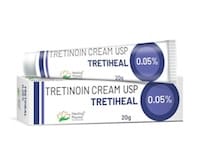
Order Tretinoin Cream Online to Transform Your Complexion
Combating Discoloration and Wrinkles
Imagine your complexion is a fine linen sheet that has suffered through years of heavy folding. Eventually, those creases harden into permanent lines. Tretinoin serves as a skilled repairman, diving deep into the dermal layers to trigger your body to manufacture its own collagen. It essentially instructs your biology to reconstruct a sturdier, more resilient framework from within.
This internal surge is what works to iron out those pesky wrinkles. Instead of merely coating the top layer, the formula travels deep to spark a cellular rebirth. It isn’t a quick fix, but a potent instrument for anyone striving to regain a supple, bouncy feel. You may eventually notice a significant change in how your face catches the light.
As your collagen production climbs, the very scaffolding of your skin undergoes a major upgrade. This structural strengthening helps plump up the shallow indentations caused by early aging. It requires a long-term commitment, yet the visual evidence often validates the effort. Many people observe that their face feels significantly more taut after regular, nightly use of this intense retinoid.
Nurturing this transformation is a slow process, much like tending to a delicate garden in spring. You won’t see a miracle occur overnight, but the long-term benefits are quite profound. By fortifying the internal support system, tretinoin solves the fundamental reason why creases form, rather than simply hiding them beneath a thick layer of moisturizer.
Erasing Sun Damage and Discoloration
We all deal with those stubborn “sun kisses” that just won’t vanish. These pigmented patches are essentially the skin’s way of remembering every summer spent without enough protection. Tretinoin functions by accelerating the replacement of these stained cells, effectively guiding the dark pigment to the surface where it can shed naturally.
It is a lot like gently buffing a weathered countertop until the stains disappear. By speeding up the rate at which your skin regenerates, the excess pigment becomes more diluted until it finally fades. This specific method is incredibly useful for treating solar lentigines, which are those uneven patches triggered by prolonged UV exposure.
If you have been battling an uneven complexion, you might feel like you are chasing ghosts. However, the cream’s ability to balance out melanocyte activity helps bring everything back into harmony. It attacks the hyperpigmentation that makes a face look weary or weathered, ultimately providing a much more luminous and even-toned glow.
Many users find that while the timeline spans several weeks, the clarity of their skin improves dramatically. It goes beyond mere looks; it is about correcting the tangible evidence of solar damage. For those pursuing clinical-strength results from the comfort of home, this prescription route remains a premier choice in dermatology.
Refining Surface Texture and Acne Control
Have you ever felt a sandpaper-like grit when you run your fingers across your cheek? This unevenness usually comes from a buildup of old skin cells that have failed to shed. Tretinoin acts as a chemical resurfacer, ensuring your skin’s exterior feels as sleek as polished marble.
Beyond surface feel, this cream is a heavy hitter for managing acne-related issues. It works to prevent pores from becoming blocked by regulating how your skin sheds its cells. By stopping that “glue” of oil and dead skin from sticking together, it notably lowers the occurrence of congestion and breakouts.
It can feel like a double-edged sword at first, as some users endure a brief “purging” phase. During this window, your skin might appear slightly worse before it gets better. Think of it as the old, problematic cells making their grand exit to clear a path for the healthy ones waiting underneath.
For individuals struggling with chronic acne or the dark marks left by previous blemishes, tretinoin is a total game-changer. It addresses both inflammation and structural irregularities at once. It offers a holistic approach to skin wellness that goes much further than a basic over-the-counter cleanser or a light moisturizer.
| Condition | Action of Tretinoin | Expected Outcome |
| Fine Lines | Stimulates Collagen | Smoother Surface |
| Dark Spots | Speeds Cell Turnover | Faded Pigmentation |
| Rough Texture | Exfoliates Dead Cells | Soft, Even Skin |
| Acne Marks | Regulates Shedding | Reduced Redness/Spots |
When considering the budget for this nightly routine, it is wise to look at various providers. You may find prices as low as $38.68 at several pharmacies. While the long-term investment in your skin is certainly valuable, utilizing coupons is a great way to keep your spending in check.
Evaluating the Power Gap Between Retinoids
Deciding which of these two heavyweights to use is comparable to choosing between a casual stroll and a high-speed sprint. Even though they both belong to the retinoid family, they operate on entirely different frequencies. Retinol is like a polite neighbor you chat with on the street, whereas tretinoin is the intense specialist who walks into the room and immediately starts working.
If you are looking for a quick fix, you might find yourself feeling a bit disappointed with over-the-counter retinol. It requires a certain level of patience, acting as a slow burn that gradually nudges your skin toward better health. It doesn’t demand much from your skin’s tolerance, making it a very forgiving companion for beginners.
Tretinoin, however, is a different beast entirely. Because it is a pure form of retinoic acid, it doesn’t need to undergo a conversion process within your skin cells. It hits the ground running, delivering results that feel much more immediate and visible compared to its gentler, over-the-counter cousin.
If you seek instant gratification, over-the-counter retinol might leave you feeling somewhat let down. This option acts like a slow simmer on a stove, slowly nudging your complexion toward a healthier state. It is quite forgiving for beginners because it rarely forces the skin into a state of protest or extreme sensitivity.
Tretinoin acts as a totally different animal. Being the pure essence of retinoic acid, it bypasses any internal conversion steps inside your cells. It leaps straight into action, offering visible transformations that feel much faster than its milder, non-prescription relative.
The Biological Engine Room
To truly understand why they differ, we have to peek under the hood at your skin’s biological machinery. Retinol must first be converted into retinaldehyde and then into retinoic acid before your skin can actually use it. This process is similar to a relay race where a baton is passed through multiple hands, which slows down the ultimate signal.
Tretinoin avoids that middleman altogether. It arrives at the cellular level ready to work, directly influencing how your skin behaves. It effectively tells your cells to speed up their turnover rate, pushing old, damaged cells to the surface much more aggressively. This direct biological impact is why it holds such a prestigious reputation in dermatology.
Tretinoin, by contrast, cuts out the middleman entirely. It arrives at your cells fully primed for action, directly dictating cellular behavior. It essentially commands your cells to accelerate turnover, shoving dead, damaged cells to the surface with much more aggression. This immediate impact is a major reason for its gold-standard status in skincare.
Because of this directness, the physiological impact is significantly more intense. Retinol works subtly on the surface, gently encouraging cell renewal. Tretinoin, by contrast, dives deep into the structural layers to stimulate collagen production and refine the skin’s architecture with much greater force and precision.
The potency of this direct method means the physical effects are much more striking. While retinol gently whispers to the surface to renew, tretinoin dives deep into your dermal layers. It targets collagen production and reshapes your skin’s architecture with a level of precision and force that is hard to match.
This difference in mechanism is why the “speed of results” is such a common topic of debate. While retinol might take months to show a meaningful change in texture, tretinoin can start reshaping your skin’s appearance much sooner. It is the difference between a slow tide coming in and a sudden wave hitting the shore.
Sudden Shifts versus Steady Progress
When you start using a high-strength retinoid, you shouldn’t expect a miracle overnight. In fact, if you’re using tretinoin, you might actually see your skin look a bit worse before it looks better. This “purging” phase is a sign that the rapid cell turnover is working, pushing everything to the surface at once.
Expectations should be managed; a high-strength retinoid isn’t a magic wand that works by morning. If tretinoin is your choice, your complexion might actually look worse before it improves. This “purging” stage is merely evidence that rapid cell turnover is working, forcing impurities and dead skin to the surface all at once.
Retinol follows a much more predictable, gradual improvement profile. You won’t experience the dramatic peeling or redness that often accompanies prescription-strength creams. It is a slow and steady climb, making it ideal for those who want to avoid the “rollercoaster” effect of more aggressive topical treatments.
Conversely, retinol offers a much more stable and predictable path of improvement. You likely won’t face the intense peeling or angry redness associated with prescription creams. It is a steady, upward climb, making it perfect for those wanting to avoid the emotional rollercoaster of intense topical treatments.
For those with sensitive skin, the choice is often made for them by their skin’s reaction to the environment. If your face turns red or feels tight at the slightest hint of a new product, retinol is likely your safest bet. It provides a gentle nudge rather than a forceful shove, allowing your skin to adapt slowly.
If your skin reacts poorly to even the slightest new product, retinol is likely your safest path. It offers a soft nudge rather than a violent shove, giving your complexion ample time to adjust. This makes it the logical choice for those with highly sensitive or reactive skin types.
However, if your goal is aggressive anti-aging—specifically targeting deep wrinkles or stubborn sun damage—tretinoin is often the superior tool. It is designed for those who can handle the initial irritation in exchange for the most potent results available without a professional procedure.
If your primary goal is tackling deep wrinkles or persistent sun damage, tretinoin is typically the heavyweight champion. It is built for individuals prepared to endure initial irritation in exchange for the most powerful results possible without needing a clinical procedure.
To help you navigate the market, here is a comparison of common pricing and availability for these options:
| Category | Typical Strength | Estimated Starting Cost | How to Buy |
|---|---|---|---|
| Retinol (OTC) | 0.1% – 1.0% | $15 | Over-the-Counter |
| Tretinoin (Prescription) | 0.025% – 0.1% | $38.68 | Prescription Only |
| Prescription Services | Customized | $50 | Online/In-Clinic |
Potency Levels and Application Schedules
Understanding Different Strengths
Selecting the right strength isn’t something you do while grabbing groceries on a whim. Your dermatologist tailors the specific potency to match your individual skin tolerance. It’s a delicate tightrope walk between achieving visible improvements and keeping your natural moisture barrier intact.
Medical experts frequently introduce patients to the 0.025% concentration first. Imagine testing the temperature of a bathtub before plunging in; it allows your complexion to adjust without a sudden shock. This introductory stage acts like training wheels for your skincare routine, preventing you from overshooting your limits.
Once your face tolerates the lightest version without any drama, your physician may suggest stepping up to 0.05% or even the mighty 0.1% level. This heavy hitter is the gold standard for erasing deep wrinkles and stubborn pigment. It places a much higher demand on your skin’s nocturnal repair mechanisms.
Starting with too high a dose can be a recipe for a total breakdown. Charging ahead with 0.1% when your skin is prone to sensitivity is like sprinting a marathon without walking a single block first. You might get the glow you want, but the price is often angry redness and heavy flaking.
Mastering the Gradual Introduction
For the vast majority of beginners, the best advice is to “take it slow and start small.” Jumping into a nightly routine immediately is a mistake. Most specialists recommend a “sandwich” technique or slowly increasing how often you use the cream. This helps you avoid the dreaded “retinoid ugly phase” where your skin feels like a dry desert.
A standard way to begin is applying the cream only twice weekly. You might try using it on Monday and Thursday, paying close attention to how your face feels during the intervening days. If you don’t notice any stinging or irritation, you can eventually move to every other night.
The ultimate goal is often nightly use, but consider that a destination rather than a starting point. You must stay tuned to your skin’s subtle whispers. If your face starts to feel tight or looks unnaturally shiny like plastic, it’s a signal to pull back your usage for a few days.
Being consistent matters much more than being intense. Using the cream every night for a week only to quit because you’re peeling is a waste of both your time and your wallet. This process is a marathon, not a sprint, and your patience is your greatest asset.
The Dangers of Using Too Much
The urge to believe “more is better” is powerful when you’re hunting for flawless skin. You might think a thick glob will accelerate your progress. However, with tretinoin, excess usually means extra irritation. Using a surplus won’t speed up the magic; it will only cause a breakout of redness.
Applying an excessive amount can seriously damage your skin’s protective barrier. This often shows up as a burning sensation, constant redness, or even weeping skin. When this barrier is compromised, your face becomes much more vulnerable to environmental stressors and irritation from other products.
The “less is more” rule is vital here. A single pea-sized amount is generally sufficient for your entire face. Using more than that is essentially pouring money down the drain while simultaneously inviting localized peeling or dermatitis.
If you notice intense dryness, don’t just try to fight through the discomfort. Take a break. Sometimes, pausing the active ingredient for a few days to focus on heavy, hydrating creams is the most effective way to get your skin back on track.
The Necessity of Professional Guidance
You can’t just grab a tube of tretinoin off a supermarket shelf. Since it is a powerful medication that changes how your cells behave, you need a prescription from a licensed healthcare professional. This step ensures the treatment fits your specific medical history and skin type.
A doctor must check for contraindications, such as being pregnant or having specific skin conditions that the cream might worsen. They serve as your navigator, making sure the prescription you use is both safe and effective for your long-term aesthetic goals.
Even though digital prescription platforms have made things much easier, the need for a professional consultation is non-negotiable. You are essentially handling a medical tool, and you need a professional’s green light to ensure you aren’t causing lasting tissue damage.
Think of it as a guided roadmap rather than a solo trek. A doctor provides the directions, while you provide the steady hand. This expert oversight is what turns a successful anti-aging routine into something better than a frustrating cycle of wasted money and irritation.
Budgeting for Your Prescription and Cost-Reduction Methods
Trying to manage the costs of dermatological treatments can sometimes feel like navigating a labyrinth without a map. You might assume that medical-grade ingredients require a massive financial commitment, but the truth is far more complex. The price you pay often depends heavily on your chosen retailer and the method you use to fill your prescription.
Recent market statistics suggest that you can secure tretinoin for as little as $38.68. For those trying to keep their skincare expenses under control, this figure is a breath of fresh air. Just remember, this is typically the starting point for generic formulations and can fluctuate depending on your required strength or the amount you order.
Walking into a neighborhood pharmacy might reveal a wide spectrum of pricing. You might stumble upon a bargain one day, only to find the cost has skyrocketed the next. Staying vigilant about these price swings is the only way to ensure your skincare habits remain budget-friendly over time.
Retail Discrepancies and Local Pharmacy Realities
When you opt for the convenience of a massive chain like Walgreens or CVS, you are essentially paying for the luxury of speed. These large retailers make it incredibly easy to grab your medication while running other errands. However, that ease of access frequently comes with a steeper price tag.
The amount you pay at these major outlets can shift dramatically based on your specific insurance plan or pharmacy loyalty programs. It is important to realize that local storefronts often charge more than specialized online pharmacies. Don’t be shocked if a quick comparison shows a massive difference in your total.
I once had a colleague who paid nearly three times the necessary amount at her local shop simply because she failed to check for online discounts first. It is an avoidable blunder. Before you reach for your wallet, take a moment to weigh the local retail cost against what online vendors are offering.
If your primary goal is to save cash, you may need to look past the familiar lights of your local drugstore. While the ability to visit a 24-hour pharmacy is a major perk, the money you save through digital discount platforms can add up to a significant amount over the course of a year.
Leveraging Discounts and Specialized Services
Mastering the art of prescription savings requires a small amount of extra effort. Utilizing discount platforms like GoodRx can be a complete lifesaver for your monthly budget. These digital tools allow you to scan local prices and pinpoint the most affordable options in your specific zip code.
You can often unlock substantial savings by using digital coupons right at the pharmacy window. It feels almost like a magic trick; you present a screen on your phone, and suddenly a $100 bill shrinks down significantly. It is a tiny, effortless step that many patients overlook when they are in a hurry.
In addition to coupons, many savvy users are pivoting toward online prescription services to avoid the high overhead of physical storefronts. These web-based platforms frequently utilize pricing models designed to undercut the rates of traditional brick-and-mortar pharmacies. It is a clever, modern solution for the contemporary consumer.
Always keep an eye out for manufacturer-specific coupons if you are using a particular brand. Occasionally, the pharmaceutical companies themselves provide financial assistance programs. It might require a few extra clicks, but for those on a long-term treatment plan, every cent saved is a victory for both your skin and your wallet.
Generic Tretinoin vs. Brand-Name Options
Many people find themselves caught in the tug-of-war between generic tretinoin and the brand-name Retin-A. Retin-A is the famous name most doctors mention by instinct, often considered the industry benchmark. While it is undeniably effective, the brand recognition frequently leads to a much higher price point.
Generic alternatives of tretinoin utilize the exact same active medicinal ingredient. They are formulated to perform the same heavy lifting when it comes to targeting dark spots and fine lines. For most individuals, the generic option is a much more logical choice, providing identical clinical benefits without the added “brand name tax.”
Think of it much like buying store-brand milk; the label might look different, but the nutritional value is essentially the same. If your finances are tight, moving to a generic version is one of the simplest ways to keep your regimen going without breaking the bank. It is a very practical approach to long-term skincare.
Ultimately, your doctor can help determine if a specific brand’s formulation makes a difference for your unique skin type. However, for the majority of users, the generic route is the ultimate secret to affordable, high-performance anti-aging. You shouldn’t have to sacrifice your financial stability to achieve glowing skin.
Digital Procurement and Shipping Strategies
Trying to find a reliable source for prescription-strength skincare online can feel like navigating a dense fog without a compass. You might find yourself hesitating over your keyboard, questioning whether an internet order is truly legitimate. Most modern paths start by either chatting with a remote clinician or uploading a script your doctor already wrote.
A lot of top-tier platforms rely on quick telemedicine to bridge the gap between you and your medication. You’ll typically answer a digital health questionnaire through a private portal to ensure the cream is right for your complexion. It’s essentially a virtual check-up, making sure you don’t dive into intense retinoids without a professional’s nod.
Once a doctor confirms you need it, the service handles the heavy lifting for you. They work directly with licensed medical practitioners to verify your order and then route it to a partner pharmacy. This creates a seamless loop, sparing you the headache of trekking across town just to grab a tiny tube.
For many, Amazon Pharmacy has emerged as a heavyweight in this evolving market. Their interface is incredibly smooth, allowing you to manage all your prescriptions with just a couple of clicks. This setup largely eliminates the friction and annoyance that used to haunt the process of getting topical medications delivered to your door.
Using these digital tools can be a godsend for anyone with a hectic schedule. Tracking your package becomes as simple as tracking a grocery delivery, so you know exactly when your skin’s newest essential arrives. It transforms a medical requirement into a routine, predictable part of your monthly shopping.
However, when you are ordering something as potent as tretinoin, the logistics of the journey are vital. Because these formulas are quite sensitive to heat, the transit conditions are paramount. You definitely don’t want a summer heatwave to melt your expensive prescription into a useless, separated liquid mess.
When you are weighing your delivery options, keep these specific factors in mind:
- Thermal Protection: Look for providers that utilize insulated liners during warmer months.
- Real-Time Updates: Make sure the service offers precise tracking so you can keep an eye on the package.
- Transit Speed: Decide if overnight shipping is necessary to avoid long periods sitting in warm warehouses.
- Identity Verification: Be aware that some pharmacies might require an adult to sign for sensitive deliveries.
I once knew a patient who waited a fortnight for a delivery, only to discover the cream had baked in a sweltering mailbox. That is a bitter pill to swallow, and it proves that choosing a climate-conscious shipper is absolutely vital for your skin’s health.
Safety must always be your North Star when browsing different online vendors. It is incredibly easy to wander into a trap of “miracle” sites that boast suspiciously low prices but lack actual credentials. If a deal feels too good to be true, your gut feeling is likely correct.
Always double-check that your pharmacy is fully licensed in your home state. You can usually verify this through your local board of pharmacy website. A legitimate business will never demand payment through untraceable methods like wire transfers or gift cards; if they try, walk away immediately.
A verified online pharmacy will never hand over potent retinoids like they are candy; they always require a valid doctor’s prescription. This essential layer of defense exists to protect you from the irritation or adverse reactions that can arise from improper usage.
To help you decide which route to take, consider this breakdown of various procurement methods:
| Procurement Way | Benefits | Drawbacks | Estimated Price Range |
| Local Physical Store | Get it immediately; speak to someone in person. | Higher price points; restricted business hours. | $40 – $150+ |
| Amazon Pharmacy | Very easy to use; works with Prime. | Requires a digital account setup. | $35 – $100 |
| Telehealth Services | Virtual doctor consultation is part of the price. | Involves several extra steps to complete. | $50 – $150 |
Ultimately, the smartest choice is the one that finds the sweet spot between safety, cost, and ease of use. Whether you’re hunting for a $20 discount or paying a premium for expedited, temperature-controlled shipping, your goal is the same: achieving glowing skin without the unnecessary stress.
Coping with Skin Irritation and Side Effects
Starting a regimen with tretinoin can feel similar to training for an endurance race. Your complexion needs a period of conditioning to develop its resilience. Many individuals experience a specific learning curve characterized by increased sensitivity. It is quite common to deal with persistent tightness or redness that mimics the discomfort of a biting winter wind.
Desiccation is perhaps the most frequent visitor during your initial weeks of use. You might notice small, flaky patches emerging unexpectedly, making your standard lotion seem entirely insufficient. This does not indicate the product is failing; rather, your natural moisture barrier is simply adapting to the accelerated rate of cell renewal occurring underneath the surface.
Some users also encounter the notorious “retinoid purge.” This phenomenon is basically your body’s way of purging old debris to make space for fresh cells. It may appear as a sudden influx of blemishes or tiny bumps. While it feels like a passing storm, this is frequently just a temporary stage of a deep-cleansing cycle.
If you catch a glimpse in the mirror and see irritation rather than a luminous glow, do not lose heart. Most of these reactions are quite manageable with patience and a supportive skincare kit. Consider this a brief trade-off for the eventual rewards of a smoother, more youthful appearance.
Navigating the Adjustment Period
To soften the blow of this new routine, try adopting the “sandwich method.” This technique involves applying a light layer of moisturizer, followed by your tretinoin, and then a second layer of moisturizer on top. It serves as a protective buffer, shielding your face while allowing the active ingredients to work their magic.
Controlling how often you apply the cream is your best defense against flare-ups. Instead of diving into the deep end by using it every night, take a slow approach. Try limiting application to just twice a week during the first fortnight. This measured pace helps your skin build tolerance without feeling like it is under siege.
Hydration serves as your secret weapon throughout these early weeks. Seek out formulations containing ingredients like hyaluronic acid or ceramides to replenish the moisture being lost during the turnover process. A rich, non-comedogenic cream can be the deciding factor between a healthy radiance and skin that feels as rough as sandpaper.
I once consulted with a client who almost abandoned her routine in week two because her face felt so parched. Once she utilized the sandwich method and reduced her frequency, her complexion settled beautifully. It is vital to listen to those subtle whispers from your skin before they turn into loud screams.
The Essential Sunscreen Rule
If tretinoin were a cinematic plot, SPF would be the mandatory sequel. Because this treatment accelerates cell renewal, your surface skin is essentially “new” and highly vulnerable to sunlight. Using this cream without sun protection is akin to trekking through a desert without any water or a wide-brimmed hat.
Applying a broad-spectrum sunscreen every single day is non-negotiable, even when skies are cloudy or you are merely sitting near a window. UV rays can trigger pigmentation issues or sun damage that completely negates the benefits of your expensive treatment. It is a very small price to pay for the necessary protection.
When you are shopping for protection, aim for an SPF of at least 30. You might spend anywhere from $15 to $30 on a premium mineral sunscreen, but that is a far better investment than attempting to repair sun damage later. View it as a vital insurance policy for your complexion.
Consistency is the name of the game; you cannot simply apply SPF only when you plan to be outside. It needs to become a daily morning ritual, much like your tooth brushing. Without this habit, you are effectively driving a high-speed car without brakes—the speed is impressive, but the crashes are messy.
When to Reach Out to a Professional
While minor redness is part of the process, there is a distinct line between adjusting and reacting. If your face feels intensely painful, develops swelling, or produces weeping sores, stop using the product and contact your doctor immediately. You should never have to endure extreme physical discomfort to achieve skincare results.
It is also wise to seek medical advice if you notice sudden allergic responses, such as significant itching or hives. Although the cream is designed to alter skin behavior, it should not trigger a systemic reaction. Your dermatologist is the best ally to help you distinguish between a normal adjustment and an adverse event.
If you find yourself unsure about a specific symptom, do not try to be a hero. It is always safer to consult a professional than to continue using a product that might be causing actual harm. They can help you modify your dosage, suggest a weaker strength, or recommend a different way to integrate the cream.
I recommend keeping a simple daily log of how your skin feels. If a sudden flare-up occurs, you can tell your doctor exactly when it began and which products were involved. This information is pure gold for any medical professional working to help you reach your goals safely.