
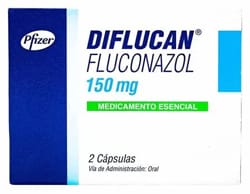
Order Diflucan Online with Quick Delivery and Great Deals
How to Take Your Medication and Expected Schedules
Imagine your recovery plan is like a carefully constructed bridge. If you leave a gap in the foundation, the whole structure might fail. When physicians tackle candidiasis, they frequently opt for a singular, potent dose. This “one and done” strategy aims to saturate your bloodstream, ensuring the yeast is eradicated before it can establish a stronghold.
Sometimes, however, a single strike isn’t enough to end the fight. For stubborn vaginal yeast infections, your healthcare provider might suggest a course spanning several days. This method works like a gentle, persistent drizzle instead of a sudden flash flood. It guarantees that any remaining fungal organisms are caught during their natural reproductive phases.
When it comes to timing, precision is your best friend. For the majority of users, simply swallowing the pill with water does the trick. You really don’t need to wait until you’ve finished a heavy meal. In fact, taking it on an empty stomach can sometimes lead to minor nausea, so keep things easy.
If your stomach feels a little sensitive, try pairing the pill with a light snack. This isn’t a mandatory requirement, but it can certainly soothe a restless stomach. The ultimate objective is to get the medication circulating in your body without making you feel physically unwell.
Factors Affecting Your Personal Dose
Your age and body weight act as silent regulators of your prescription. A petite, older patient might need a much softer approach than a large, healthy adult. It’s a precise calibration. If the dose is too low, the yeast might thrive; if it’s too high, you might struggle with side effects.
Medical professionals often evaluate your body mass index to decide if a higher milligram count is vital. There is no universal standard for everyone. Much like a massive semi-truck requires more fuel than a small sedan, a larger frame may necessitate a larger therapeutic amount to see results.
Age is a significant factor, especially regarding how your liver metabolizes the substance. As the years pass, our internal metabolic engines often slow down. Consequently, the drug might linger in your system for an extended duration. Your doctor will carefully assess these physiological traits before writing your script.
The typical milligram amounts can change significantly based on what you are treating. You might receive a 150mg dose for a minor issue, or a much larger quantity for systemic problems. Always stick strictly to the directions on your label so you don’t accidentally under-treat the infection.
Staying on Track and Avoiding Errors
A common blunder is treating your medication like a game of “hide and seek.” If you skip a pill, you might give the fungus a window to regroup and develop resistance. It is akin to trying to douse a flame by splashing water sporadically rather than using a steady stream.
Another danger is hanging up your hat the moment symptoms vanish. You might feel like the battle is won, but hidden survivors often remain in the shadows. Cutting a treatment short is like leaving glowing coals in a fire; they will eventually spark a new flame.
- The “Snooze Button” Mistake: Missing a pill can cause your fungal levels to rebound.
- The Early Exit: Ending the cycle prematurely often leads to the infection returning.
- Double-Dosing: Do not attempt to “compensate” for a missed dose by taking two pills.
If you realize you missed a dose, don’t freak out or try to make up for it by doubling up. Simply resume your regular schedule with the next dose. It is much safer to stay slightly behind your schedule than to flood your system with too much medication at once.
If you are following a multi-day plan, consider keeping a simple log. This eliminates confusion and keeps you on the right path. Remember, staying consistent is the real secret to returning to your healthy, itch-free self without any unnecessary drama.
Understanding Your Expenses and Price Ranges
Entering a drugstore can feel like a gamble where the house always seems to win. You might scan the labels on the shelves, but the actual total at checkout can still hit you like a sudden thunderstorm. Fluconazole pricing is a complex puzzle, influenced by many different variables that ultimately dictate your final bill.
In most cases, the 150mg tablet serves as the primary measurement for treatment. Retail rates for a solitary dose can fluctuate wildly depending on where your pharmacy is located and their specific business strategy. Because prices aren’t uniform across the board, it is wise to hunt for deals or utilize online tools to contrast local rates.
The massive gap between a brand-name Fluconazole and its generic counterparts is often the most significant factor. While the branded label might feel more comforting, it frequently carries a steep price tag that can leave your wallet feeling light. Generics, on the other hand, provide an avenue to get the same medical results without emptying your savings.
Many consumers fall into the trap of thinking that buying in large quantities is always the smartest financial choice. While a bulk supply can dramatically lower the cost of each individual pill, it does demand a larger initial outlay. If your treatment is just a one-off event, a huge bottle might actually lead to a higher total spend.
The way your insurance handles claims acts as a major lever in your total expenditure. A solid insurance plan might shoulder the bulk of the bill, leaving you with nothing more than a modest co-pay. If you lack coverage, you are essentially a “cash buyer,” meaning you face the full force of retail markups and pharmacy pricing.
Discount cards and manufacturer coupons can serve as a vital lifeline for those without comprehensive insurance. These resources can frequently bridge the divide between an intimidating retail cost and a manageable out-of-pocket expense. It never hurts to verify if any promotions are currently running before you accept the first quote you receive.
Price Comparison Overview
To help you visualize these variations, we have organized a brief overview of typical pricing models. This chart demonstrates how the total amount you spend changes based on the quantity and specific category of the medicine. Keep in mind these are merely rough estimates, as actual local costs can shift.
| Medication Category & Volume | Projected Total Cost | Additional Details |
|---|---|---|
| Brand-Name (3 Tablets) | $45 – $60 | Highest markup due to brand name |
| Generic (3 Tablets) | $12 – $25 | The most economical choice for most |
| Generic Bulk (30 Tablets) | $30 – $50 | Best value for extended therapy |
| OTC-Style (Single Dose) | $15 – $30 | Usually carries a higher unit price |
Tips for Navigating the Pharmacy Counter
When you are standing at the counter, remember that prescription-strength versions are typically more strictly regulated and can be pricier than non-prescription options. While the convenience of an over-the-counter product is nice, they are often sold in very small packs. This can lead to a much higher cost per pill compared to a larger prescription order.
If you are looking to shave some money off your bill, ask your pharmacist about “generic substitution.” They are often legally obligated to offer you a generic version if it is both available and clinically identical. Asking this simple question can frequently save you a significant amount of cash in a single visit.
Sometimes, the sticker price on the shelf is just a starting point. Pharmacy loyalty programs can occasionally drop your prices if you have a regular account. Think of it like a secret club; once you are part of their system, your monthly costs can become much more stable and predictable for your budget.
Don’t be afraid to browse price-comparison websites before you make your trip. In today’s world, being a smart shopper means knowing the market before you ever walk through the door. A tiny bit of digital legwork can ensure you aren’t paying extra for a medication that is available for much less nearby.
Finding and Purchasing Your Medication
Confirming Online Pharmacy Legitimacy
The digital marketplace for medicine is a vast, swirling whirlpool, but not every site provides a safe landing. Browsing for drugs online can feel like navigating a field of hidden traps if you aren’t paying attention. It is absolutely vital to confirm that any pharmacy you select is a fully licensed and legitimate business before you enter your payment details.
Scrutinize websites for the “VIPPS” badge or comparable accreditation logos, which prove a vendor adheres to rigorous safety standards. A trustworthy shop will be incredibly open about where they are located and how to reach them. If the site feels like a deserted ghost town, lacking a phone line or a concrete physical location, consider that a massive warning sign.
Listen to your instincts while you browse. If a website looks like a relic from the nineties or uses aggressive, high-pressure sales tactics, you are likely looking at a scam. Honest pharmacies prioritize your well-being and clarity, rather than hitting you with flashing pop-ups or “limited time” deals that vanish in a heartbeat.
Always take a moment to verify a pharmacy’s license within the specific region where they claim to be based. You can usually confirm these credentials by checking with national or state regulatory agencies. Spending ten minutes performing this due diligence now is much better than spending several weeks chasing a fraudulent shipment later.
Local vs. Overseas Procurement
After making your selection, you will reach a fork in the road: deciding between domestic or international shipping. Choosing a vendor within your own country offers the comfort of knowing they follow your local laws. These shipments tend to move much faster and are far simpler to resolve if a package is lost or damaged.
Buying from overseas might seem like a tempting shortcut to save money, but it is a double-edged sword. Even if you shave a few dollars off the price, you are stepping into a legal gray zone. Customs agents are notoriously unpredictable, and your parcel might end up stuck in limbo for weeks without any updates at all.
There is also the massive concern regarding the quality of the goods. Medications traveling long distances across borders endure wild temperature swings inside shipping containers. If the necessary cold chain is broken during an overseas trek, the chemical makeup of your pills might degrade, making them totally useless or potentially dangerous.
Ultimately, your choice between local or global orders boils down to your personal appetite for risk. Domestic shipping is the “safe bet” for a predictable experience. Conversely, international orders are essentially a roll of the dice where a low price is the jackpot, but the penalty is often a lost parcel or a legal mess at the border.
Recognizing Digital Red Flags
The most obvious warning is a site that doesn’t ask for a valid prescription. If a vendor offers prescription-strength drugs without requiring a doctor’s note, they are breaking the law. These “no-prescription” outlets are frequently just covers for counterfeit products that may contain incorrect dosages or hazardous fillers.
Another huge red flag involves the price tag. If you encounter a deal that seems far too good to be true, it almost certainly is. A massive discount that sits significantly below the standard market rate is usually a trap to steal your money or your private data. In the pharmaceutical world, “too good to be true” is a lethal mantra.
Be extremely cautious of any seller insisting on strange payment methods. If a website demands you pay via gift cards, cryptocurrency, or wire transfers, turn around and walk away. These methods are nearly impossible to trace and offer zero buyer protection, leaving you with no way to get your money back once the vendor vanishes.
Watch for these specific indicators during your search:
- A lack of a verifiable phone number or a physical business address.
- Salespeople using pressure tactics to create a fake sense of urgency.
- Websites that only permit non-traditional or non-refundable payment ways.
- Supplies that arrive in packaging that looks tampered with or unsealed.
- A complete absence of user reviews, or reviews that seem obviously manufactured.
Tracking and Delivery Windows
Once your order is placed, the waiting game begins. You can usually expect domestic shipments to arrive within three to seven business days, depending on which carrier is handling the route. Most reliable pharmacies will send a tracking number to your email, allowing you to follow your package from the warehouse to your front door.
International shipping is a completely different beast. While you might see a delivery estimate of two to four weeks, the reality is often much more frustrating. Customs inspections can cause random delays that make your tracking number appear stuck in a void for several days or even many weeks.
It is crucial to remember that a “delivered” status doesn’t always mean the package is in your hands. Occasionally, tracking shows a delivery when the courier has actually left it with a neighbor or at a local post office. Always check your immediate surroundings or your local post office if the digital tracking doesn’t match reality.
If your tracking information remains stagnant for a long time, reach out to the seller immediately. Don’t wait a whole month to voice your concerns. The faster you report a missing shipment, the more likely you are to receive a refund or a replacement from the company. Staying proactive is your best defense in logistics.
The Legal Requirement of Doctor Orders
It is a hard reality that you cannot legally skip a medical professional when obtaining prescription medication. A valid prescription is more than just a piece of paper; it serves as a vital legal safeguard. It confirms that a licensed clinician has checked your medical history to ensure the drug is safe for your body.
Trying to get medication without a prescription is like walking through a legal minefield. In many parts of the world, it is a crime to hold or distribute certain drugs without a doctor’s permission. This applies to both the person selling and the person buying, and the results can range from fines to serious legal trouble.
Beyond the legalities, there is the matter of your personal health. A doctor does more than just sign a script; they provide essential oversight. They ensure your dosage is accurate and check that you won’t have dangerous interactions with other supplements or drugs. Skipping this step is effectively flying blind.
If you need medication but don’t have a script, the correct path is to talk to a local clinic or a telehealth provider. Many legitimate online services allow for digital consultations. This can lead to a legal, verifiable prescription that you can safely fill through a reputable, trusted pharmacy.
Contrasting Methods: Fluconazole Against Other Antifungal Options
Picking between a topical ointment and an oral tablet is often like deciding whether to use a delicate brush or a heavy-duty power tool. A cream works exactly where you smear it, focusing its energy on the skin’s surface.
Fluconazole, however, operates on a much grander scale. It enters your bloodstream to hunt down fungal invaders from within your body. This internal strategy makes it a formidable force when dealing with deep-rooted ailments.
When the problem is merely a surface-level nuisance, localized treatments like miconazole or clotrimazole are quite effective. For instance, a minor patch of athlete’s foot that hasn’t gone deep is easily handled by a simple, direct cream.
These topical strikes are great because they leave the rest of your body untouched. Because they are so localized, they serve as a very common first line of defense for minor skin issues.
Nevertheless, creams eventually hit a wall. They simply cannot penetrate the thick layers of a nail infection or reach a yeast infection nesting in the vaginal canal. When the fungus hides in mucosal tissues or under the surface, topical options often leave the fight unfinished.
This is the moment when systemic medications step up to close the case. If your fungal intruder is playing hide-and-seek in your blood or deep under a fingernail, a cream is basically bringing a knife to a gunfight. You need the broad coverage provided by fluconazole.
Clinical Success and Effectiveness Rates
When we evaluate efficacy, we are essentially measuring how successfully a medicine clears away the infection. For cases of candidiasis, fluconazole has a truly impressive track record. It is frequently considered the gold standard because it moves through your tissues with ease.
It doesn’t just sit on the surface like a layer of paint; instead, it integrates into your biological landscape to dismantle the threat. It gets inside the enemy’s fortifications to do the actual work of cleaning up the infection.
The comparison shifts slightly when looking at certain skin issues. For superficial dermatophytosis, topical creams are incredibly successful. If a small patch of fungus is localized on a foot, a $15 tube might perform just as well as a $50 course of oral pills, assuming the fungus is easily accessible to the cream.
The real difference becomes clear when we look at the “cure rate” for more stubborn problems. For systemic yeast or oral thrush, the success rate of topical creams drops off a cliff. In those tough scenarios, fluconazole’s ability to maintain high levels in your saliva or mucosal linings makes it vastly superior.
At the end of the day, the “best” medication is simply the one that reaches the target in high enough amounts. It’s all about the relationship between location and concentration. If the dose at the infection site stays too low, the fungus will just laugh in your face and keep multiplying, no matter what you paid for the medicine.
Localized Versus Systemic Treatment Approaches
Deciding to use a systemic pill instead of a localized cream is usually a matter of medical necessity. You wouldn’t attempt to treat a deep, puncture wound with just a band-aid, would you? Likewise, systemic drugs are saved for infections that have moved past the skin’s outer layer.
Take Onychomycosis, for example. This nail fungus lives deep beneath the hard keratin barrier. A cream can’t soak through that thick shield in any way that matters. In these instances, a systemic method isn’t just a better choice; it is arguably the only way to actually achieve a cure.
On the other hand, localized treatments are much kinder to your liver. Since fluconazole is processed through your metabolic system, it carries a slightly higher chance of side effects than a cream applied to a toe. Doctors carefully weigh this “risk vs. reward” ratio before they write a prescription.
Daily habits also play a part in this choice. Applying a cream three times a day for two weeks can feel like a grueling chore. A single oral dose taken once a day or even once a week offers a level of convenience that makes it much easier for people to finish their treatment.
Timeframes and Financial Considerations
The duration of action varies quite a bit depending on the drug class. Topical antifungals often require you to apply them every single day for weeks to ensure the fungus doesn’t come roaring back. You are essentially trying to outrun the fungus with every single application.
It is a constant, manual battle that demands strict discipline from the patient. Fluconazole operates differently because of its long half-life. Once you take it, it stays in your system for a long time, acting as a sustained “shield” against any new growth.
This long-lasting presence is why a single dose or a very short course can sometimes be more effective than weeks of applying cream. When you look at your wallet, the cost-effectiveness can be a bit of a head-scratcher. A cream tube might only cost $15, while a fluconazole prescription could run from $40 to $100 at the pharmacy.
At a quick glance, the cream looks like the winner. However, you have to think about the “cost of failure.” If you spend $15 on a cream that fails to work, you have wasted that money and let the infection spread. If a $50 pill works the first time, it is actually the cheaper option in the long run. It’s about investing in the right tool for the specific job.
| Feature | Topical Creams | Fluconazole (Oral) |
| Main Usage | Skin infections on the surface | Systemic and deep-seated infections |
| Ease of Use | Requires frequent application | Simple oral ingestion |
| Safety Profile | Minimal systemic impact | May require liver monitoring |
| Estimated Cost | $10 – $25 | $40 – $150 |
When and How to Use This Medication
Dealing with a vaginal yeast infection often feels like being stuck in an endless, itchy loop that simply won’t quit. For a lot of women, taking one dose of fluconazole is like deploying a precision strike against the Candida organisms causing the irritation. The drug travels through your blood to reestablish a healthy internal environment.
Sometimes, these infections act like unwelcome houseguests that keep returning without an invitation. When that happens, your physician might change their game plan entirely. Rather than treating every single episode as a fresh crisis, they may suggest a weekly maintenance dose to keep the yeast from staging a massive rebellion in your pelvic area.
The aim isn’t merely to quench the itch, but to help you get your life back. Many people describe the sensation of relief as a massive burden being lifted off their shoulders. Still, if you find yourself reaching for this medicine more than four times in a single year, a professional consultation is mandatory for a thorough check-up.
Oral thrush presents a totally different challenge, manifesting as those thick, white creamy spots on the tongue. This is a frequent occurrence for babies or individuals with weakened immune defenses. The medicine works by stripping the fungus of its ability to thrive, effectively dissolving those stubborn patches.
When the infection migrates downward, it can trigger esophageal candidiasis, which makes swallowing feel like you are gulping down coarse sandpaper. This represents a serious escalation that demands a disciplined, multi-day medication schedule. You can’t just take one pill and hope for the best if the fungus has moved into your throat.
Physicians typically mandate a specific daily amount for several days straight to make sure the fungus is totally wiped out. Skipping a dose in these circumstances is like leaving your front door wide open in a dangerous neighborhood; you are basically giving the infection a golden ticket to return and stay.
The stakes reach a boiling point when dealing with systemic fungal issues. People with compromised immune systems, including those managing HIV or undergoing cancer treatments, face a much more difficult fight. In these intense cases, the fungus can migrate into the blood, turning a localized nuisance into a full-body crisis.
Controlling these widespread threats necessitates constant vigilance, often requiring hospital care or strict medical supervision. The objective moves past mere comfort toward vital, life-saving measures. Fluconazole acts as a primary pillar in these intricate medical protocols, working hard to prevent the fungal load from overpowering your natural immunity.
It is a precarious tightrope walk between the strength of the drug and how your body metabolizes it. Doctors have to carefully calibrate the dose to kill the fungus without overtaxing your liver. In this high-stakes environment, every single milligram is vital to the patient’s eventual recovery.
While the majority of people see quick results, you must recognize when to ring the alarm. If you notice a sudden skin rash, facial swelling, or any trouble breathing, stop using the drug and seek emergency medical help right away. These are classic signs of an allergic reaction and require immediate attention.
Keep an eye out for other warning signs like intense stomach pain, yellowing of the eyes or skin, or urine that appears very dark. These symptoms could indicate that your liver is having a hard time processing the medicine. It is always smarter to be overly cautious than to brush off your body’s distress signals.
Regarding the recovery window, most patients feel a notable drop in symptoms within about 24 to 48 hours. For yeast infections, that burning and itching sensation should start to fade quite quickly. However, feeling better doesn’t automatically mean the infection is completely gone.
Even if you feel like you are back to your old self after just one pill, you must stick to the instructions provided. The fungus might be retreating from the battlefield, but it hasn’t necessarily surrendered its position. Completing the entire prescribed course is the only way to ensure you aren’t just giving the fungus a temporary break before it attacks again.
Potential Risks and Necessary Precautions
Popping a pill to improve your health seems like a simple task, but your internal biology is a swirling cocktail of complex reactions. Most users won’t face major issues, though some might encounter pesky side effects that feel like a minor annoyance. Common complaints often involve nausea, mild stomach aches, or a general sense of digestive discomfort as you start your course.
Think of these digestive upsets as a bit of turbulence on a long-haul flight; they are uncomfortable, yet they usually settle down quickly. Your body is simply getting used to the new visitor in your system. Generally, these tummy issues disappear once the medicine has finished its job and the fungal infection is eradicated.
That said, you shouldn’t simply brush off every strange sensation. While a touch of nausea is standard, you must not ignore unrelenting cramping or constant vomiting. If your stomach feels like it is caught in a violent storm rather than a light drizzle, you should reach out to your physician without delay.
Monitoring Organ Health and Dermatological Changes
Your liver serves as the body’s central chemical refinery, and introducing new drugs can occasionally place a heavy burden on its cells. Although rare, serious issues regarding liver toxicity are a concern that medical experts watch with extreme care. Keep an eye out for jaundice, which presents as a yellowing of the skin or the whites of your eyes.
If you notice your urine shifting toward a dark, tea-colored hue, consider this a massive warning sign. This change might suggest your liver is struggling to manage its metabolic workload. It is far better to tackle a potential complication early than to wait for a small issue to transform into a medical crisis.
You should also stay extremely alert regarding changes to your skin. A slight rash might seem like nothing, but certain dermatological reactions can be truly life-threatening. If you see peeling, blistering, or a fever accompanying a new rash, treat it as a high-priority alarm that requires professional medical attention.
In some instances, these skin issues can escalate into severe conditions like Stevens-Johnson Syndrome. While such occurrences are statistically rare, the impact on the body is profound. Never assume a skin eruption is “just an allergy” until a healthcare provider has conducted a thorough physical examination.
Drug Interactions and Chemical Complexities
Medications rarely wander through your bloodstream alone; they often bump into other drugs, resulting in unexpected chemical dances. A major concern involves interactions with anticoagulants like Warfarin. Fluconazole has the ability to amplify the potency of these blood thinners, which might increase your likelihood of bleeding or bruising.
If you are already utilizing medicine to prevent blood clots, your doctor may need to modify your prescribed dosage. It is much like throwing gasoline on a fire; the antifungal can make the anticoagulant’s impact far stronger than intended. Always provide your doctor with a complete list of every supplement and prescription you take.
Certain anti-arrhythmics or anticonvulsants can also be impacted by this treatment. These interactions might cause a drug to become less effective or cause its levels in your blood to rise to dangerous levels. It is a delicate tightrope walk that demands careful oversight to ensure you stay safe.
Navigating these risks is much simpler if you maintain a transparent relationship with your pharmacist. They act as the sentries of drug compatibility and can often catch a potential clash before you even take your first dose. Being proactive is the smartest way to move through these pharmacological minefields.
Considerations for Nursing and Pregnancy
When it comes to pregnancy, the stakes are incredibly high because this medication can pass through the placental barrier. Since scientific data is still being gathered, there remains a potential risk to the developing fetus. Consequently, doctors typically recommend extreme caution, only prescribing it when the medical benefits clearly outweigh the possible dangers.
If you find out you are expecting while taking this drug, do not panic, but do contact your doctor immediately. They will analyze your specific health profile to see if a different antifungal option might be safer for you. It is a delicate balancing act between maternal health and the needs of the unborn child.
For mothers who are currently breastfeeding, a common worry is whether the medication migrates into breast milk. While the concentrations are typically very low, the possibility of an infant consuming the drug exists. Many clinicians suggest weighing the necessity of treating the mother against the risk of infant exposure.
Always have an honest, open talk with your healthcare provider about your nursing status or family planning. There is no universal answer that applies to everyone. Your individual medical history and the specific nature of your infection will ultimately determine the safest path forward for you and your baby.
Identifying Emergency Situations
Knowing exactly when to head to the Emergency Room is a vital skill for any responsible patient. If you experience any signs of an anaphylactic reaction, you must act with total urgency. Look out for swelling in your tongue, lips, or face, or any sensation that your throat is tightening.
Difficulty breathing is perhaps the most pressing emergency of all. If you feel like you are gasping for air or notice wheezing, contact emergency services immediately. These symptoms are not things that can wait for a clinic callback or a scheduled follow-up appointment.
Other red flags include sudden, intense dizziness, a rapid and irregular heartbeat, or losing consciousness. If your body feels like it is spiraling into shock, please do not try to drive yourself. Seek professional help immediately to ensure you can be stabilized by medical experts as quickly as possible.
In many instances, these acute reactions can be successfully managed if they are caught in the opening minutes. Being prepared and recognizing these “red flags” can literally save a life. Do not hesitate to seek help; it is always better to be told it is nothing than to ignore a genuine crisis.