
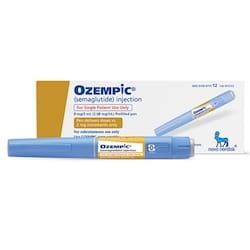
Secure the Best Deals on Ozempic: Find Low Prices and Order Now
Managing Your Ozempic Schedule and Dosage
Your Weekly Injection Routine
Administering Ozempic isn’t as simple as popping a pill with your morning coffee. It follows a specific regimen involving a subcutaneous injection once every seven days. You will experience a minor prick beneath the skin, typically targeting the thigh, stomach area, or upper arm. This brief sensation is a small trade-off for the profound metabolic changes occurring within.
The delivery method is crafted for convenience, generally involving a pre-filled pen designed for multiple doses. Once you master the clicking sound of the device, the procedure often becomes as natural as breathing. While medical expertise isn’t required to handle the pen, you’ll want a calm hand and a bit of composure.
Staying consistent is the secret sauce to success. If you skip a dose, you might throw a wrench into your entire metabolic momentum. Many people find success by designating a “Wellness Sunday” to keep things predictable. Consider this a recurring weekly rendezvous with your health; however, if you’re more than five days behind, call your doctor right away.
The specific hour you choose is far less important than maintaining a steady weekly cadence. It doesn’t matter if you inject before your morning meal or right before sleep. The key is ensuring the drug maintains a constant presence in your system, which prevents those wild glucose roller coasters that can derail your progress.
The Gradual Dose Increase
You wouldn’t attempt a mountain trek without a warm-up, and starting Ozempic is no different. Physicians usually follow a titration strategy, which is essentially a “start small and ramp up” methodology. You typically begin with a tiny 0.25 mg dose to help your body adjust to the new chemistry.
During this opening stage, don’t expect a sudden drop in weight or a massive shift in blood sugar. Think of it as an introductory period for your stomach and gut. By incrementally raising the amount over several weeks, you avoid that heavy, uncomfortable sensation that can occur if you jump into deep water too quickly.
Many patients follow a progression similar to this pattern:
- Introductory Stage: 0.25 mg every week for a month.
- Step-up Stage: Moving up to 0.5 mg once weekly.
- Steady-state Stage: Advancing to 1.0 mg or higher, according to your doctor’s orders.
It is vital to follow your healthcare provider’s instructions to the letter. They act as the navigator for your treatment, tailoring your dose to your individual biochemistry and how you react to the drug. Never try to play doctor by doubling up on your injections in a rush to see faster results.
Balancing Blood Sugar and Weight Loss
Although many seek Ozempic for weight loss, its primary clinical purpose is treating Type 2 Diabetes. There is a nuanced difference between managing your glycemic levels and targeting weight reduction. Think of it like a Swiss Army knife; one function might be a blade, while another serves as a screwdriver.
For patients battling diabetes, the objective is stabilizing glucose and lowering the risk of major heart-related issues. The emphasis lies on avoiding the erratic spikes and crashes that can harm organs over many years. In this scenario, your dosage is meticulously calibrated to hit your specific A1C targets.
When the focus shifts toward weight management, the conversation changes slightly. Even though the medication is incredibly potent at curbing hunger, the amount needed for significant weight loss might not be the same as what is required for blood sugar control. This is why professional medical oversight is absolutely essential to prevent overmedication.
At its core, the “Ozempic effect” is a sophisticated interplay between your hormones and hunger signals. Whether you are managing a chronic disease or fighting obesity, the drug works by mimicking a hormone that signals to your brain, “You’ve had enough.” Knowing your specific objective helps you and your physician walk the path more effectively.
Budgeting for Your Ozempic Treatment in Dollars
Opening your wallet to pay for modern prescriptions can feel like a sudden blow to the stomach. For many people, the real obstacle to beginning Ozempic therapy isn’t the injection itself or potential nausea, but rather the staggering sticker shock at the pharmacy counter. Investing in your wellness is a major undertaking that demands meticulous financial planning.
Depending on your local pharmacy and geographic area, a thirty-day supply usually runs between $750 and $1,200. If you don’t have any insurance assistance, those totals can skyrocket even further. Managing such a heavy monthly expense can be a tall order for a family budget, often serving as a significant roadblock for patients.
When you zoom out to look at the long-term landscape, the numbers shift. Doctors often prescribe a three-month supply to track your body’s response, a period that can easily run from $2,250 to $3,600. This represents a massive financial dedication rather than a small fee, making a clear strategy essential before you ever pick up the device.
Insurance coverage acts as a wildcard that can either help or hinder you. If your policy includes GLP-1 drugs for Type 2 Diabetes, your personal cost might shrink to a simple, manageable copay. However, if you are seeking off-label weight loss benefits, you might end up paying the entire amount out of your own pocket.
Sifting through the labyrinth of insurance benefits is a massive headache. Many providers are currently tightening their belts, which makes securing approval for these pricey drugs much more difficult. You should call your insurance agent to ask about your specific “formulary status” before assuming the company will pick up the tab.
Comparing your pharmacy’s rates against available savings programs is a brilliant way to save a little extra cash. Occasionally, a manufacturer’s coupon or a dedicated savings card can slash hundreds of dollars from your total. It feels like stumbling upon a hidden treasure—it truly changes the entire financial equation.
The data below offers a quick glance at how different amounts and strengths affect your spending:
| Pricing Category | Amount/Strength | Approximate Price |
|---|---|---|
| Standard Monthly Amount | 1 Month | $850 |
| Three-Month Supply | 3 Months | $2,550 |
| Starting Low Dose | 0.25 mg Pen | $750 |
| Maintenance High Dose | 2.0 mg Pen | $1,100 |
Remember that prices often shift depending on the specific strength you are using. As you climb the titration ladder and increase your dosage, the cost per unit will likely fluctuate. While the price doesn’t always move in a straight line, it rarely goes in the opposite direction either.
Do not let these digits frighten you away from talking to your doctor, but do stay vigilant. Being proactive about your medical expenses is just as vital as staying consistent with your medication schedule. Knowledge is your best tool when you are juggling your physical health and your bank balance at the same time.
Procurement and Transit Logistics for Semaglutide
Trying to find a reliable source for your medication can feel like navigating a labyrinth of traps. While having your supplies delivered to your front door is undeniably convenient, you must prioritize finding a certified pharmacy. Only by transacting with a licensed, legitimate business can you be certain the contents of the package match the label.
The legality of your purchase rests solely on holding a valid medical prescription. Within the United States, any professional pharmacy will refuse to ship semaglutide unless a licensed clinician has issued a direct order. Any site claiming to offer “no prescription required” is leading you into a dangerous legal and medical wilderness with potentially dire results.
Betting your health on unverified sellers is like rolling the dice with your internal chemistry. These shadow companies frequently ignore the rigorous oversight protocols that keep our medical supply chain secure. You might believe you are scoring a bargain, but receiving a fake, spoiled, or tainted product is a massive price for a small discount.
Maintaining the Temperature-Sensitive Cold Chain
Semaglutide functions as a fragile biological molecule, making it extremely vulnerable to any environmental fluctuations. To stay effective, it must be stored within a strict temperature window, usually between 36°F and 46°F. This creates a logistical requirement known as the “cold chain,” which requires unbroken temperature control from the factory to your home.
When a pharmacy dispatches your order, they ought to utilize specialized thermal packaging alongside refrigerated gel packs. If your delivery sits under a baking sun on a porch for several hours, the drug’s protein structure may disintegrate. Once the medicine loses its integrity, you are left with nothing but costly, useless liquid, throwing your entire regimen off track.
Make it a habit to check your delivery the moment it arrives. If those cooling packs have lost their chill, or if the liquid looks murky or has changed color, hold off on using it. It is far wiser to demand a replacement than to inject a compromised substance. Consistent, proper storage is the foundation of effective GLP-1 treatment.
Warning Signs and Shipping Timeframes
If an online shop’s offer feels too incredible to be real, trust your gut. Keep a sharp eye out for these specific red flags:
- Costs that fall drastically below the standard $750 to $1,200 monthly market rate.
- Platforms promising “miracle” weight loss without a clinical evaluation.
- Customer support that operates strictly through anonymous messaging apps or unprofessional emails.
- A total absence of a physical headquarters or reachable contact details for the business.
After you have successfully navigated the consultation and finalized your payment, you enter the waiting phase. Generally, you can expect a prescription shipment to arrive within three to seven business days. This window fluctuates depending on whether the provider utilizes fast air freight to preserve the vital temperature requirements during the trip.
Keeping a close eye on your tracking number is vital for staying on track with your injections. Since these supplies are so time-sensitive, ensure someone is available to collect the box. You certainly do not want an expensive package of semaglutide left out in the elements or sitting in a mailbox while you are away on a short trip.
The Essential Role of Clinical Supervision
You shouldn’t attempt to jump into a weight loss program without professional medical support. A legitimate clinical consultation serves as the mandatory starting point for this journey. A physician must examine your medical background, verify your current A1C stats, and confirm you lack contraindications like a history of pancreatitis.
Consider this evaluation more than just a checkbox; it is your primary safety mechanism. A medical professional will guide you toward the ideal starting dose to limit stomach issues like vomiting or nausea. Attempting to start on a high dose without a doctor is like sprinting a marathon without any training—it’s a recipe for a total breakdown.
At the end of the day, your physician serves as the captain of your metabolic wellness. They will track your milestones and help you climb the titration ladder by adjusting your dose. Do not try to manage your own treatment or rely on random internet advice; your well-being is far too important to leave to the opinions of strangers.
Differentiating Diabetes Management from Weight Loss Applications
In the medical community, Ozempic is primarily viewed as a vital tool for individuals managing Type 2 diabetes. The FDA has granted official clearance for this treatment to assist adults in regulating their blood sugar levels. It functions as a partner to healthy lifestyle choices, ensuring that glucose readings do not spike to dangerous levels.
A massive shift occurred in public perception when the unintended side effects became impossible to ignore. People started noticing a dramatic change in body composition, a phenomenon widely dubbed the “Ozempic Effect.” This refers to the rapid and substantial scale changes seen in patients who were not originally using it to address metabolic disorders.
While a diabetic’s main goal involves maintaining stability, the slimming benefits have turned the drug into a massive cultural phenomenon. It is a peculiar turn of events where a tool crafted to stabilize glucose has emerged as a sought-after remedy for obesity. This shift has moved the drug from pharmacy shelves to the center of pop culture.
Grasping the nuance between these two uses is essential because the underlying medical reasoning changes the entire landscape. When used for diabetes, it follows standard clinical protocols. However, using it purely for weight reduction is considered “off-label” use. This distinction is a major factor in determining insurance approval and overall costs.
How the GLP-1 Mechanism Operates
To grasp the science, you must realize how this substance mimics the body’s own internal messengers. Semaglutide functions as a GLP-1 receptor agonist. Essentially, it replicates the glucagon-like peptide-1 hormone that your digestive system naturally releases into your system following a meal.
Once this hormone circulates in your blood, it alerts the pancreas. It signals the organ to trigger insulin release precisely when blood sugar climbs. Simultaneously, it instructs the liver to dial back the production of unnecessary glucose. You can think of it as a biological thermostat maintaining a steady internal temperature.
The influence of this medication, however, reaches far beyond your pancreas. It also communicates directly with your neurological system. By targeting the hypothalamus—the brain’s control center for hunger—it silences the constant “food noise” that many people struggle to ignore. This mental shift is often a game-changer for many.
Furthermore, the drug slows down how quickly your stomach empties its contents. This ensures that food stays in your system for a longer duration, creating a lasting feeling of fullness. You aren’t just battling mental cravings; you are managing a stomach that feels satisfied much earlier than it did before.
Heart Health and Metabolic Wellness
For those fighting Type 2 diabetes, the advantages of Ozempic reach much deeper than mere glucose numbers. Extensive clinical evidence suggests that this medication can significantly lower the probability of major cardiovascular incidents. This includes a decreased risk of strokes, heart attacks, and mortality.
Constant high blood sugar acts much like sandpaper on the interior of your arteries. It causes ongoing friction and physical damage over the years. By smoothing out those volatile glucose spikes, Ozempic helps safeguard the cardiovascular system from the destructive impact of metabolic instability.
This makes the medication a versatile asset for long-term wellness. It is about more than just treating a symptom; it is about building a defense against life-threatening health issues. For a person with diabetes, the drug serves as a protective shield for both the brain and the heart.
When analyzing the data, the gap between feeling improved and actually living a longer life becomes obvious. The ability to lower cardiovascular risks is a primary reason why doctors often prioritize this specific treatment. In many cases, it is about survival just as much as it is about metabolic stability.
Ozempic Compared to Specialized Obesity Drugs
The distinction between various weight-related medications is often muddy, leading to significant confusion. You might ask, “If Ozempic is so effective for shedding pounds, why do other drugs exist?” The answer boils down to the chemical concentration and the original intent of the formula.
While Ozempic is highly effective for managing weight, it differs from drugs specifically designed for obesity. Dedicated anti-obesity medications frequently utilize higher dosages of the active ingredient or unique chemical structures. These are engineered specifically to maximize weight reduction during long-term treatment plans.
This nuance is vital for your medical strategy and your bank account. Insurance providers treat these categories very differently:
- Ozempic: Frequently covered for treating Type 2 diabetes; often denied for weight loss alone.
- Wegovy: Specifically FDA-approved for the management of chronic obesity and weight.
- Cost Implications: Prices for a 3-month supply of Ozempic fluctuate, often ranging from $750 to $1,200 depending on your insurance.
Navigating the wrong path can result in a financial headache. If you attempt to acquire a prescription for weight loss via off-label use, you might find yourself paying the full retail price out of pocket. This is a significant expense for a medication that was initially created for a different medical purpose.
Risk Factors and Adverse Reactions
Starting a new pharmaceutical regimen can feel like walking into a pitch-black room. You are hoping for a way forward, but you fear tripping over something hidden in the shadows. While semaglutide serves as a potent instrument for managing metabolic health, it certainly carries its own set of potential pitfalls.
For many individuals, the most immediate issues involve the digestive system. It is quite common to feel as though your gut is throwing a tantrum. Nausea is a frequent visitor, particularly during the initial phase of treatment or when your dosage is being climbed.
Beyond simple queasiness, some patients face much more intense physical responses. This might include bouts of vomiting, diarrhea, or even a stubborn constipation that simply won’t clear up. These bodily reactions are essentially your internal systems reacting to the profound shifts in how you digest food.
If you reach a point where you cannot even swallow water without discomfort, you are in a high-risk zone. Dehydration can creep up on you like a silent shadow, causing profound exhaustion or lightheadedness. Always pay close attention to your physical cues, as they serve as your body’s primary alarm system.
Individuals Who Should Avoid Use
This medication is not a universal solution, and your clinical history acts as the ultimate gatekeeper. Healthcare providers must scrutinize your medical background to ensure you aren’t walking straight into a trap. There are certain medical profiles that make this specific drug a complete non-starter for many.
The most critical warning sign involves a personal or family connection to medullary thyroid carcinoma. This is a rare malignancy of the thyroid gland. If you have ever battled these specific types of tumors, the medication is strictly contraindicated due to the potential impact on your hormonal regulation.
Furthermore, anyone with a history of Multiple Endocrine Neoplasia syndrome type 2 must stay away from this treatment. It is vital to be completely upfront with your clinician regarding every supplement and health condition you manage. Attempting to hide details to secure a prescription can lead to medical complications that far outweigh any initial cost.
One must also weigh how this drug might collide with existing health concerns. If your medical records show a history of pancreatitis, your physician will likely proceed with extreme caution. Safety isn’t just about managing minor discomfort; it is about ensuring the treatment doesn’t disrupt your body’s delicate internal equilibrium.
The Hidden Toll of Rapid Weight Reduction
While watching the numbers on the scale drop can feel incredibly rewarding, there is a significant catch to losing weight at high speeds. Shedding pounds too quickly can feel like an all-out sprint when your biology was geared for a slow marathon. This abrupt transition often leads to the loss of muscle mass rather than just fat.
Without a careful approach, you might end up with a “skinny fat” physique rather than a toned, healthy silhouette. This occurs because your body, in its desperate search for fuel, may start consuming its own muscle tissue. This can actually damage your metabolic rate over time, making it very difficult to maintain your weight later.
There is also a profound psychological element to navigate. As the “food noise” in your brain begins to quiet, your entire relationship with eating is transformed. Some find that the sudden absence of appetite creates a sense of social disconnection from the cultural rituals of sharing a meal.
It is truly a double-edged sword. The medication provides the initial push, but the biological and mental shifts require careful management. You aren’t just dropping pounds; you are fundamentally altering your internal biological makeup, which is a massive undertaking to handle without proper guidance.
The Role of Lifestyle Integration
Consider Ozempic to be like a strong tailwind for a cyclist. It makes the climb much easier and accelerates your pace, but it doesn’t do the work of pedaling for you. Without a consistent plan, the drug is merely a temporary patch rather than a permanent lifestyle overhaul.
Nutrition serves as the foundation of any successful journey. It is not enough to simply consume fewer calories; the quality of those calories matters immensely. Prioritizing high-protein meals can help prevent the muscle wasting mentioned previously. Aiming for nutrient-dense foods ensures your body gets what it needs despite smaller portions.
Physical activity acts as your primary defense against a sluggish metabolism. Resistance training, in particular, is vital for protecting lean muscle mass as the fat disappears. It is the crucial difference between merely losing weight and actually reshaping your body composition for the long term.
Relying entirely on a needle to do the heavy lifting is a fast track to a weight rebound. Once the medication is eventually tapered or discontinued, your daily habits will determine your future health. Use this window of time to build a lasting foundation of nutrition and movement that can stand on its own.
When to Seek Medical Attention Immediately
While many side effects are manageable, certain symptoms demand an urgent call to your physician. You should never simply “wait it out” if you feel something is truly wrong. Certain physical signs suggest that the medication might be causing more damage than the intended benefits.
Severe and unrelenting pain in the abdomen is a major red flag. If this pain travels toward your back, it may signal pancreatitis, which is a serious inflammation of the pancreas. This is not a simple stomach ache that you can sleep off; it is a medical emergency that requires immediate care.
Keep a sharp lookout for these specific warnings:
- Intense nausea and vomiting that prevents you from staying hydrated.
- Sudden, sharp, or stabbing pain located in the upper abdomen.
- Extreme fatigue, lightheadedness, or clear signs of severe dehydration.
- Visual disturbances or sudden swelling in your arms and legs.
If you experience these symptoms, do not wait until the morning to act. Contact a healthcare professional right away. It is always better to be told a symptom is minor than to ignore a warning sign that could lead to life-threatening complications. Your health and safety must always come first.
Differentiating Ozempic from Other GLP-1 Options
Navigating the sea of GLP-1 receptor agonists can feel like being lost in a noisy crowd where every voice is shouting a different name. You might hear whispers of Mounjaro, discussions about Wegovy, or the ubiquitous mention of Ozempic. While these drugs speak a similar hormonal language, they are far from being carbon copies of one another.
Each pharmaceutical option follows a unique rhythm and serves a distinct purpose within the medical toolkit. They aren’t just variations of a single theme; rather, they are tailored to address different biological needs. Choosing between them isn’t about hunting for a universal winner, but rather finding the right fit for your unique internal chemistry.
Ozempic acts as a powerhouse for individuals battling Type 2 diabetes, specifically helping to lower the chances of heart attack or stroke. Wegovy uses the exact same semaglutide molecule, yet its FDA-approved label is specifically for chronic weight management. Think of it as choosing a specialized instrument for a specific concerto rather than a multi-purpose tool that attempts to do every job poorly.
Then we have Mounjaro, which operates through a dual-action mechanism by engaging two different receptors. This two-pronged attack can feel significantly more aggressive depending on how your body reacts. Ultimately, your doctor must analyze your insulin levels and metabolic markers to see which key best fits your body’s specific lock.
Navigating Scarcity and Pharmacy Hurdles
Trying to fill a prescription lately can feel like hitting a brick wall in the middle of a highway. The supply chain for these specific drugs has been incredibly turbulent, much like a ship caught in a storm. Constant high demand has sparked shortages that make securing steady monthly doses a frustrating game of chance.
You might find that your local pharmacy’s shelves are bone-dry, even if a large national chain has a few bottles left. This unpredictable “musical chairs” scenario can be incredibly taxing for patients. It is difficult to stay calm when you are trying to maintain a steady therapeutic level of medicine in your bloodstream.
The financial side of the equation is another hurdle that often trips people up. While your insurance coverage will dictate much of the cost, out-of-pocket prices can be quite staggering. For example, a three-month supply could easily exceed $1,200 depending on your specific plan and the brand name you are using.
It is highly recommended to have a backup strategy ready to go at all times. This might mean asking your doctor if a different dosage or a different brand name might be easier to locate in your area. Staying proactive about availability is just as vital as keeping up with your exercise and nutrition habits.
Comparing Ease of Use and Delivery Methods
The way you administer your medicine can completely transform your daily routine. Most of these GLP-1 drugs, including Ozempic, require a subcutaneous injection to work effectively. For some people, the mere thought of a needle feels like a mountain too steep to climb, while others find the modern, pre-filled pens to be quite easy.
The design of the delivery device plays a massive role in whether you can stick to your treatment long-term. Some pens are meant for a single use, whereas other models offer the flexibility of multiple doses. If you have a hard time sticking to a daily habit, a once-weekly injection might be much simpler than a pill.
The following table summarizes common ways these medications are taken:
| Administration Mode | Frequency | Benefits | Drawbacks |
| Injection | Once a Week | Stable, steady absorption | Needle use and refrigeration |
| Oral Pill | Daily | No needles involved | Strict timing and digestion issues |
At the end of the day, the most effective method is the one that doesn’t cause you constant anxiety. If weekly shots feel overwhelming, you absolutely must talk to your healthcare provider about every alternative. You want your treatment to blend into your lifestyle, not become a brand new source of daily stress.
Matching Your Treatment to Personal Health Targets
Patients approach these medications with very different end goals in mind. Some are looking to stabilize blood sugar and prevent the scary complications of diabetes. Others are purely interested in shedding significant weight to improve their metabolic health and overall physical mobility.
If your primary objective is losing weight, a drug that emphasizes fullness might be your best bet. However, if you are focused on glycemic control, the subtle way a drug interacts with your insulin production becomes the most important detail. You wouldn’t use a hammer to fix a delicate window, so don’t pick a tool for the wrong task.
Think of your medical history as the roadmap that guides this medical journey. A person at high risk for heart issues might prioritize Ozempic for its proven ability to lower stroke risks. Conversely, someone focused on obesity might lean toward Wegovy to see a more dramatic change in their body composition.
Always be completely transparent with your doctor about the results you want to see. Are you aiming to drop 50 pounds, or are you trying to fix your A1C levels? When you are specific about your targets, your physician can better tailor your prescription to help you cross that finish line.