
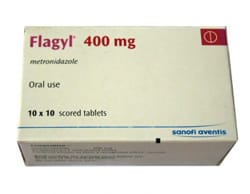
Get Flagyl Delivered: Order Your Prescription Today for Low Prices
The Biological Impact of Flagyl
Imagine your digestive system as a sprawling city where trillions of microscopic citizens live in harmony. Most are helpful neighbors, but occasionally, a group of hostile microbes decides to cause trouble. This is where metronidazole, widely known as Flagyl, enters the fray. It acts like a specialized security detail, arriving to handle the chaos.
The process kicks off once the medication penetrates the membranes of these harmful microbes. Rather than being a blunt force, it operates with surgical precision. Upon entering anaerobic bacteria, the compound undergoes a vital chemical change. It works like a Trojan horse, slipping past the perimeter before releasing its destructive payload deep inside the microbe.
Once the drug is inside, it begins to shred the enemy’s genetic blueprint. It essentially dismantles the structural integrity of their DNA strands. Because the bacteria can no longer mend or copy their code, they descend into a state of total biological confusion. This swift strike effectively shuts down the infection.
This specific mode of action is highly selective. This precision ensures the drug doesn’t launch a rampage through your healthy systems. It targets metabolic pathways found only in anaerobic organisms. Much like a key designed for a specific lock, it leaves your “good” bacteria alone so they can continue their vital work.
A Microscopic Conflict
To truly understand the science, picture a tiny battlefield where biological laws dictate the outcome. The medication interacts with the cell’s redox potential. This interaction triggers the formation of highly reactive intermediate compounds. You can think of these as toxic lightning strikes occurring within the microbe’s internal landscape.
These reactive intermediates serve as the primary weapons. They inflict massive trauma on both the nucleic acids and the proteins of the invading pathogens. It isn’t a slow, grinding war; it is more akin to a sudden, overwhelming electrical surge. This prevents the microbes from defending themselves or spreading to other areas.
Because this chemical reaction requires the unique environment found only in anaerobic cells, your own human cells are largely spared. This selectivity is what makes the treatment so potent. Doctors can prescribe it with confidence, knowing the medicine is hunting specific culprits rather than attacking innocent bystanders.
Healthcare providers often gauge your recovery based on how your body responds clinically. While the medication handles the heavy lifting at the molecular level, your immune system provides the final cleanup. It is a beautiful, coordinated dance between pharmaceutical intervention and your body’s natural healing power.
Essential Biological Functions
When viewed through a lens, several critical disruptions become apparent. The drug doesn’t merely sit in the background; it actively dismantles the very foundation of microbial life. It is similar to cutting the electricity in a factory, causing the entire assembly line to come to a grinding halt.
The following list details the primary ways the medication deconstructs invading pathogens:
- DNA Disruption: It fractures the DNA strands, making it impossible for microbes to replicate.
- Protein Damage: It interferes with how essential proteins are synthesized.
- Cell Wall Interference: It compromises the structural integrity of the microbial cell walls.
- Metabolic Sabotage: It shuts down the energy-producing processes within the bacteria.
Understanding these mechanics explains why timing is so critical during your treatment. You wouldn’t want to pull a peacekeeper off duty in the middle of a mission, would you? Staying consistent ensures that every rogue cell is neutralized before they have a chance to evolve resistance.
It is important to remember that while the drug is powerful, its success depends on a steady rhythm. Blood concentration levels must stay consistent to maintain pressure on the infection. This is why adhering to your prescribed schedule is vital to the entire healing process.
| Biological Target | How it Acts | Effect on Bacteria |
| DNA Strands | Fragmentation and breakage | Inability to replicate |
| Cellular Proteins | Oxidative damage | Loss of cellular function |
| Metabolic Pathways | Redox potential disruption | Death of the organism |
How to Use Your Prescription Safely
Attempting to interpret a new medical regimen can feel like wandering through a dense labyrinth without a compass. You want to reach the finish line of recovery, but you also need to follow the rules of the road. There is no such thing as a universal dose; rather, your physician crafts a bespoke strategy for your specific needs.
The exact quantity you swallow is dictated by the particular biological intruder your immune system is battling. An infection in your intestines demands a different tactical approach than a dental abscess or a skin-related ailment. To draw the line, doctors evaluate your body weight, the intensity of your symptoms, and how well your kidneys function.
Underdosing might inadvertently provide bacteria with a “survival manual” to build resistance against the drug. On the flip side, taking too much can turn into a bumpy ride of unpleasant side effects. It is a delicate balancing act, much like a tightrope walker facing a gust of wind, requiring precision and a strict adherence to the schedule.
Please remember that the instructions printed on your bottle serve as the gold standard. If your doctor suggests taking it twice a day, do not attempt to “double up” if you happen to miss a dose. Trying to catch up can transform a helpful therapeutic dose into an overwhelming flood in your bloodstream.
Dealing with Common Side Effects
Even the most effective medical tools can sometimes leave a bit of a mess in their wake. Many patients report a strange, metallic taste lingering in their mouth while utilizing this medication. It is an odd sensation, almost as if you have been sucking on a copper penny for hours on end.
Nausea and cramping in the stomach are other frequent uninvited guests at the party of side effects. While these sensations can be quite bothersome, they often represent the body’s reaction to a sudden chemical shift. Consuming your medication alongside food can sometimes act as a buffer, softening the blow to your digestive tract.
The most vital warning involves the consumption of alcohol. Think of it as forbidden fruit during your course of treatment. Consuming even a tiny amount of alcohol while on this medication can trigger a “disulfiram-like reaction.” This might manifest as a sudden, violent wave of rapid heartbeat, flushing, or nausea.
If you notice yourself feeling lightheaded or experiencing a racing heart, please do not brush it off. These symptoms are clear signals that your body is reacting to a chemical interaction. It is much better to play it safe and wait until the treatment is well in the rearview mirror before enjoying a glass of wine.
Comparing Costs and Quantities
The financial side of managing healthcare often feels like a puzzle with several missing pieces. Depending on your chosen method of acquisition, the price and the pill count can vary significantly between different service models or pharmacies.
| Service Category | Amount (Days) | Approximate Price | Conditions |
|---|---|---|---|
| Local Retail Pharmacy | 10-Day Supply | $45 | Immediate pickup |
| Mail-Order Service | 30-Day Supply | $85 | Requires insurance |
| Generic Bulk Option | 90-Day Supply | $120 | Pre-payment required |
| Direct Online Clinic | 15-Day Supply | $65 | Includes consultation |
Safety Monitoring and Precautions
Keeping a close eye on your progress is just as essential as taking the medication itself. While the drug is busy fighting an invisible war within you, you must watch for any red flags. If a sudden rash appears or you face difficulty breathing, that is your cue to call a doctor immediately.
In certain instances, long-term use might disrupt the delicate balance of your natural microbiome. Much like a forest fire clears out the brush but can sometimes harm the soil, these antibiotics can occasionally trigger secondary issues like yeast infections. This is a trade-off worth discussing thoroughly with your provider.
Always be sure to provide your medical history in its entirety. If you have ever dealt with renal issues or liver disease, your dosage may need to be adjusted to prevent toxicity. Being an active participant in your own healthcare ensures the medicine works for you rather than against you.
Do not become a silent observer in your own journey toward recovery. If something feels “off,” speak up without hesitation. While medical science is incredibly advanced, your personal experience regarding how a drug affects your body remains a vital piece of the clinical puzzle.
What to Expect Regarding Costs and Pricing
Navigating the Money Side of Metronidazole
Entering a drugstore can sometimes feel like walking into a blind auction where the bids are never quite clear. You may notice one price displayed on a shelf, but upon reaching the register, the total has shifted entirely. This confusion usually happens because of how your individual insurance policy communicates with the pharmacy.
Opting for generic options is typically a much kinder gesture toward your bank account than buying name-brand versions. Since the original patents have lapsed, a wide variety of manufacturers can now produce this drug. This increased competition acts as a natural brake on high prices, providing a rare victory for everyday shoppers.
When you are paying with your own cash, you may find that independent neighborhood shops have different pricing than the massive national retailers. A boutique pharmacy might charge a bit extra for their high-touch service. Conversely, huge warehouses often rely on high volume to keep their prices razor-thin. Always inquire about the “cash price” before paying.
Remember that the price tag covers more than just the medication itself. You might get hit with unexpected costs for shipping mail-order orders or fees for transferring prescriptions between locations. Small service charges for the pharmacist’s labor can also pop up. These minor extras can feel like pebbles in your shoe if you aren’t vigilant.
What Drives the Total Cost Up or Down
A handful of different variables determine the actual amount you owe at the end of the transaction. To start, the strength of the dose is a major factor; a 500mg tablet will naturally be more expensive than a 250mg dose. It works much like gasoline in a car; the volume you pump dictates the final price.
The length of your treatment cycle also carries significant weight in the total math. A brief prescription meant to tackle a minor ailment is a mere drop in the bucket compared to a long-term plan. The specific duration your doctor orders will ultimately dictate the total volume of pills you need to buy.
Insurance remains the wild card in the modern healthcare landscape. Depending on how your co-pay and deductible are structured, you might walk away paying nothing at all. Alternatively, you might find yourself stuck with the entire bill. It can be a real emotional rollercoaster of financial uncertainty for many patients.
Behind the curtain, pharmacy benefit managers exert a silent, massive influence over pricing. These organizations haggle between the insurers and the drug companies to decide which medications are “preferred” on a list. If your specific drug isn’t on that favored list, your out-of-pocket costs could skyrocket unexpectedly.
To prevent your monthly budget from hitting a breaking point, try utilizing these common ways to save money:
- Ask for the generic version to avoid paying the “brand name tax.”
- Check the difference in price between mail-order services and local shops.
- See if manufacturer coupons or various discount cards are available.
- Request a 90-day supply to help reduce the price per pill.
How to Purchase Flagyl Safely via the Internet
Recognizing Trustworthy Online Vendors
Navigating the digital landscape for your prescriptions can feel like trying to find a lighthouse in a thick storm. You might stumble upon a slick website with polished graphics and incredibly cheap prices that seem too good to be true. However, an attractive digital window is no promise of safety or authenticity regarding the medicine inside.
If a website promises to sell you Flagyl without asking for a legitimate prescription from a licensed medical professional, run the other way. Taking that risk is essentially gambling with your physical well-being. Legitimate online pharmacies operate as a secure link between your doctor and your home, ensuring every dose has been professionally verified.
Keep a sharp eye out for the “VIPPS” seal or similar accreditation stamps located in the website’s footer. These are not mere decorations; they serve as gold standards for quality and safety. Much like an official hallmark on silver, these markers prove the vendor is real, whereas their absence could mean you are buying useless chalk.
It is also prudent to hunt for a verifiable physical office address and a functional phone number. Dealing with a “ghost” company that offers no way to speak to a human being is a recipe for pure disaster. If they only offer a generic contact form, keep looking until you find a more reliable port.
The Advantages of Having Meds Mailed to You
Using mail-order delivery services can feel like a total breath of fresh air for a hectic lifestyle. Instead of rushing between various local pharmacy branches, you can simply have your medication arrive right on your doorstep. It is a seamless way to handle long-term health needs without the constant annoyance of travel.
Interestingly, many major insurance companies actually encourage you to utilize their specific mail-order affiliates. They frequently reward this choice by providing much lower co-pays for your recurring prescriptions. By following their guidance, you may find yourself saving a hefty amount of money throughout a single calendar year.
The speed of your delivery is another vital piece of the puzzle when selecting a provider. While a few days of waiting is standard, many companies offer faster shipping options for an additional charge. If you are battling a particularly aggressive infection, waiting a full week for a package is simply not an option.
Make sure the pharmacy employs temperature-controlled packaging if your medicine is sensitive to warm environments. While Flagyl is quite sturdy, many other drugs can lose their potency if they linger in a sweltering delivery truck. It is far better to be cautious than to receive a pill that no longer works.
Comparing Costs Quickly
To help you steer through the financial side of things, I have prepared a brief comparison of typical price points. Please remember that these figures are just estimates and will vary depending on your geography and local inventory. Treat this data as a general compass rather than a fixed map.
| Pharmacy Category | Price Range | Main Advantage |
| Local Retail Pharmacy | $25.00 – $50.00 | Instant availability |
| Insurance Mail-Order | $5.00 – $15.00 | Minimal co-pay |
| Online Discount Site | $15.00 – $30.00 | Ease of use |
When weighing different prices, do not let a low price tag blind you to the potential dangers. Any site claiming you can grab Flagyl for just $2.00 per pill is likely a scam or a seller of fake products. If the deal seems too incredible, it probably is, and your health is what’s at stake.
Always hold onto your receipts and every piece of transaction documentation. If your package arrives damaged or something goes wrong with the order, you will need that paper trail to secure a refund. It is better to be prepared for a sudden storm than to be caught without a life jacket.
How Your Order Travels to Your Doorstep
The Journey of Your Shipment
The moment you finalize your purchase, a complex logistical ballet begins. Getting your medicine from a distribution center to your porch is rarely a straight line. It involves a series of hand-offs, transit hubs, and various vehicles navigating through the dark of night.
To keep your mind at ease, most reliable companies will provide a tracking ID. It’s a bit like following a distant star; you can see the direction it’s heading, even if you can’t see every single mile of the trip. This visibility is a cornerstone of a good customer experience.
If you find yourself in a race against the clock, you might consider upgrading your shipping. Adding a little extra—anywhere from $15.00 to $30.00—can cut significant time off the wait. When you’re feeling under the weather, a few days can feel like a lifetime, making the premium an easy choice.
Keep in mind that those estimated arrival dates are more like educated guesses than ironclad guarantees. A sudden storm or a massive influx of holiday mail can throw a wrench in the works. It is smarter to build in a little wiggle room rather than expecting perfect timing.
How Your Package Should Arrive
When that parcel finally lands on your doorstep, the exterior tells you everything. You are looking for a robust, factory-sealed box that hasn’t been messed with. If the container looks crushed or has been breached, take it as a major warning sign.
What happens inside the box is just as critical for your health. Medications are sensitive travelers that must avoid humidity and wild temperature swings to stay effective. If your package looks like it survived a wrestling match, you should definitely reach out to the provider.
Privacy is a huge priority for most modern pharmacies, so expect discreet shipping. There is no reason for the neighbors to know you are treating an infection. A plain, nondescript box is the best way to keep your medical business entirely your own.
I remember a neighbor who received a parcel that looked like it had been trampled by a heavy boot. Thankfully, the contents were unharmed, but it certainly caused a momentary panic. Make sure to check the outside of the package thoroughly before you crack open the seal.
Estimating Your Arrival Date
When you are fighting off an illness, every second counts. You need to decide if you need a steady crawl or a full-on sprint to get your supplies. Different shipping methods offer distinct speeds, and knowing the difference can save you a mountain of stress.
Standard shipping is the slow and steady approach. It is typically the most budget-friendly option, sometimes starting at just $5.00, but expect it to take a week or longer. If you have plenty of pills left, this is the most sensible, economical choice.
Express shipping, on the other hand, is built for speed. It is the ideal choice for those who need their medication immediately. Although the cost is higher, the comfort of knowing your package will arrive in about 2 days is often worth the premium.
- Standard Ground: 5–10 business days; the most economical choice.
- Priority Mail: 3–5 business days; a sensible, middle-of-the-road option.
- Overnight/Express: 1–2 business days; the quickest but highest-cost method.
Don’t forget that weekends and public holidays act as natural speed bumps for the mail. Most delivery drivers aren’t working at full capacity on a Sunday. Always glance at the calendar so you aren’t left wondering where your order went during a long weekend.
How Flagyl Measures Up Against Other Antibiotics
The Specific Role of Metronidazole
Imagine a handyman’s belt filled with various tools. Some are meant for heavy demolition, while others are delicate instruments for fine clockwork. Metronidazole, commonly known as Flagyl, acts like a highly specialized wrench. It is engineered to tackle particular parasitic intruders and certain types of bacteria with unmatched precision.
It isn’t a jack-of-all-trades, and that is exactly why it is so effective. If you are battling a routine sore throat, Flagyl is likely the wrong instrument for the job. It lacks the necessary “muscle” to strike down standard respiratory germs that other medications can dismantle without breaking a sweat.
Trying to use it for the wrong infection is like trying to drive a screw with a heavy hammer. You might cause a mess, but you won’t get the desired result. Most physicians reserve this medication for fighting anaerobic bacteria—those pesky organisms that thrive in oxygen-deprived environments.
While a broad-spectrum drug might sweep through your body like a forest fire, metronidazole acts more like a surgical laser. I once saw a patient demand the “strongest” pill for a minor sinus issue. They were looking for a sledgehammer when they really only needed a small mallet.
Comparing Different Medication Classes
The landscape of infection-fighting drugs is divided into distinct families. Penicillins and cephalosporins are the veteran players here. They act as the reliable workhorses of modern medicine, serving as a frontline defense for many common, everyday ailments that doctors encounter daily.
Then you have the fluoroquinolones, which often get a reputation for being the heavy hitters. These drugs possess a broad spectrum of activity, meaning they can strike a wide variety of different bacteria all at once. However, this wide-reaching power brings a unique set of side effects to consider.
Flagyl, meanwhile, carves out its own unique niche in the pharmacy. It isn’t a generalist by design, but its ability to destroy certain protozoa and anaerobic bacteria makes it absolutely indispensable. It fills a vital gap where more “all-purpose” antibiotics might simply fall short.
To get a better idea of how these options stack up in a clinical setting, look at this breakdown:
| Drug Category | Primary Indication | Estimated Price Range |
| Metronidazole (Flagyl) | Parasitic & Anaerobic | $15.00 – $45.00 |
| Amoxicillin | Common Bacterial | $10.00 – $30.00 |
| Azithromycin | STIs & Respiratory | $20.00 – $60.00 |
Variables in the Decision-Making Process
Selecting between Flagyl and a different antibiotic is a complex balancing act for medical professionals. It isn’t a simple contest of which drug is “superior.” Instead, it is about which specific tool is the right match for the microbial enemy causing the havoc in your body.
One critical variable is the location of the infection. Some medications travel through your blood with ease, while others tend to settle heavily in the digestive tract. Because Flagyl excels against intestinal parasites, it remains the gold standard for many gut-related problems.
A patient’s medical history is another massive piece of the puzzle. If someone has had a bad reaction to a specific drug class before, the list of safe options gets much smaller. Doctors must navigate these personal histories like a captain steering through a rocky, unpredictable coastline.
We also cannot ignore the practical reality of the price tag. While a $10.00 alternative might look like a bargain, it is a false economy if the infection persists. It is almost always cheaper to use the correct medication immediately rather than paying for multiple failed attempts.