
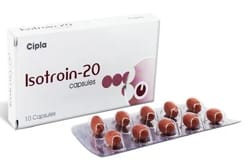
Order Isotroin Online: Secure Your Prescription with Rapid Delivery
Targeting Intense Nodular Acne Outbreaks
When standard creams fail, many patients feel like they are fighting a losing battle against their own skin. For those battling severe, disfiguring nodular acne, isotretinoin acts as the heavyweight champion in the dermatological ring. It is specifically designed for recalcitrant cases where traditional methods simply cannot hold the line against deep, painful inflammation.
When topical options fall flat, many individuals feel as though they are trapped in a losing fight against their own complexion. For those suffering from painful, deep-seated nodules that mar the face, isotretinoin enters the arena like a heavyweight champion. This medication is tailor-made for stubborn instances where standard remedies fail to stop intense, localized swelling.
Think of it as a powerful intervention that often yields the most profound results. It is usually reserved for individuals whose faces are under constant assault by cystic lesions. Because these breakouts can leave lasting scars, specialists often move quickly to implement this systemic retinoid to shield both physical appearance and emotional well-being.
Medical professionals typically follow a rigorous checklist before initiating this regimen. It is viewed as a strategic strike rather than a preliminary defense. The objective is to hit the core issue once the body’s natural ability to heal has been completely overwhelmed by relentless, aggressive cycles of acne.
Commencing this journey is a weighty decision. It frequently occurs after a long period of frustration where every possible remedy has been exhausted. When breakouts threaten to cause permanent scarring or immense psychological distress, the clinical conversation shifts from mere management to a vigorous, systemic strategy aimed at achieving total skin clarity.
Efficacy and Biological Pathways Compared
In the past, doctors might have leaned heavily on topical creams or oral antibiotics to manage breakouts. However, these often feel like trying to put out a forest fire with a garden hose. They might dampen the flames temporarily, but the underlying heat remains, often leading to a quick relapse once the medication stops.
Years ago, physicians frequently relied on surface creams or oral antibiotics to control eruptions. Unfortunately, using these methods can feel like attempting to douse a massive wildfire with nothing but a small garden hose. While they might dim the immediate flames, the underlying heat persists, often resulting in a rapid return of acne once the pills are stopped.
Isotretinoin works on a much deeper level by fundamentally changing how the skin functions. While antibiotics try to kill bacteria, and topicals try to soothe the surface, this oral retinoid attacks the source. It works by significantly reducing sebum production, essentially drying up the fuel that the acne bacteria need to thrive.
This medication alters skin biology at a foundational level. While antibiotics aim to combat bacteria and topical creams attempt to calm the surface, this oral option strikes at the very origin of the problem. It functions by drastically lowering the amount of oil produced, effectively cutting off the primary nourishment that acne-causing bacteria require to flourish.
It is a game-changer because it tackles multiple factors at once. It reduces the size of the sebaceous glands and normalizes the way skin cells shed. Instead of cells clumping together and clogging pores, they move through the skin smoothly, preventing the buildup that leads to those dreaded, painful nodules.
This treatment is a total revolution because it addresses several issues simultaneously. It shrinks the sebaceous glands and regulates the natural shedding of skin cells. Rather than cells sticking together and blocking pores, they migrate smoothly across the skin, which prevents the buildup responsible for those painful, deep nodules.
Patients often find that while other treatments require constant vigilance, this approach offers a more permanent sense of relief. It is the difference between managing a leak and replacing the entire plumbing system. The results are often much more profound and long-lasting than any topical solution could ever hope to achieve.
Many people discover that while other therapies demand endless maintenance, this method provides a lasting sense of peace. It is less like patching a leaky faucet and more like replacing an entire plumbing system. Consequently, the outcomes tend to be much deeper and more enduring than anything a topical cream could offer.
| Therapy Category | Main Mechanism | Expected Outcome |
| Topical Options | Surface redness reduction | Short-term relief |
| Antibiotic Pills | Lowering bacterial levels | High rate of return |
| Isotretinoin | Decreasing oil output | Lasting skin clarity |
Prescription Standards and Alternative Uses
A dermatologist won’t simply hand this out on a whim. There are strict criteria that must be met before a prescription is written. Generally, a patient must have failed other acne medications or have been unable to tolerate them. It is a heavy-duty tool that requires a careful, measured hand to use safely.
A dermatologist will not prescribe this medication on a whim. There are rigorous requirements that must be satisfied before a doctor writes the script. Typically, the individual must have failed previous acne treatments or found them impossible to tolerate. It remains a potent medical tool that demands precise, careful administration to ensure patient safety.
Commonly, the medication is prescribed when acne is:
- Severe and disfiguring in nature.
- Recalcitrant to conventional therapies.
- Likely to cause permanent scarring.
- Not responding to systemic antibiotics.
The drug is frequently ordered in cases where the acne:
- Presents as severe or disfiguring.
- Resists standard medical therapies.
- Carries a high risk of permanent scarring.
- Does not react to oral antibiotics.
Interestingly, the reach of retinoids extends far beyond the realm of dermatology. In certain medical contexts, such as the treatment of specific cancers like neuroblastoma, isotretinoin has been utilized off-label. This highlights the potent, cellular-level influence this class of drugs has on rapidly dividing cells.
The scope of retinoid therapy actually reaches way past just skin issues. In specific clinical settings, such as treating certain malignancies like neuroblastoma, isotretinoin is sometimes used for off-label purposes. This demonstrates the powerful influence these drugs exert over cells that divide with great speed.
Navigating the costs and side effects is part of the journey. While a prescription might cost upwards of $50 or $100 depending on the brand and dosage, the long-term value of clear skin is often the priority for patients. It is a significant commitment, both financially and physically, to achieve lasting dermatological health.
Managing expenses and potential side effects is part of the process. Even though a prescription might run between $50 and $100 depending on the specific brand and dose, patients often prioritize the long-term value of clear skin. Achieving lasting skin health is a major commitment, both in terms of finances and physical stamina.
How to Take Your Medication and Expected Dosing
Managing your prescription is a bit like navigating a complicated flight path through stormy weather. Your dermatologist will craft a custom schedule based on your weight, focusing on hitting a specific total cumulative amount over many months. Depending on how defiant your acne is, the daily amount typically lands between 0.5mg and 1.0mg per kilogram of body weight.
Clinical decisions are never a “one size fits all” affair. We often see patients starting on a smaller dose to help their systems acclimate, whereas others need a more intense regimen to fight back against deep nodules. The ultimate objective is hitting that cumulative threshold without hitting toxicity, so the daily math is the key to your success.
When you swallow your dose is just as vital as what you are swallowing. You must always pair these capsules with a meal high in healthy fats, perhaps featuring eggs, avocado, or peanut butter. Without that dietary fat, your system might simply pass the medicine through, leaving you with nothing but wasted pills and an empty stomach.
Think of fat as the essential delivery driver for your medicine. If the driver hits a roadblock, the package never actually arrives at its destination. Taking your dose on an empty stomach can cause your blood levels to plummet, making the entire process feel like walking through thick mud.
The physical side effects can feel like a steep price to pay for a clear complexion. Most people experience intense dryness that turns their skin into something resembling parchment paper. You might also deal with stinging eyes, chapped lips, or discomfort in your mucosal membranes as everything feels parched throughout the day.
It is wise to get ahead of these sensations with a dedicated survival kit. Keep saline drops, fragrance-free lotions, and heavy-duty lip balm within arm’s reach at all times. While these symptoms are common, they actually signal the medication is working its magic on your sebaceous glands.
Medical supervision remains the North Star of this entire process. Frequent blood work is an absolute requirement to track your triglyceride levels and liver function. Since your doctor must ensure your organs are managing the systemic shift, you cannot skip a single scheduled lab appointment.
This is far from a “set it and forget it” medical journey. Because the drug alters your internal chemistry, your physician will likely watch your progress like a hawk. If your bloodwork reveals any red flags, they will likely pause or change your dosage to keep your health on an even keel.
Most treatment cycles run for six to nine months to guarantee the best dermatological outcomes. This length of time is intentional, designed to stop a relapse by making sure your skin’s cellular turnover stays normalized long after you finish the last pill.
The data below outlines the typical monthly expenses you might encounter across different pharmacy setups and support programs:
| Plan Category | Expected Monthly Co-pay | Coverage Level | Approx. Total Cost |
| Standard Brand Name | $85 | Partial | $150 |
| Generic Option | $40 | High | $65 |
| Manufacturer Savings Card | $25 | Variable | $45 |
| Out-of-Pocket (No Ins.) | $350 | None | $400 |
Evaluating Isotretinoin Varieties and Their Expenses
Walking up to the pharmacy counter and seeing a massive total can feel like a sudden gut punch. For many individuals, the financial burden of managing skin issues is just as heavy as the physical side effects themselves. You often find yourself standing at a crossroads between trusted brand names and more affordable generic versions.
Generic isotretinoin frequently acts as a lifeline for those keeping a close eye on their monthly budget. Since these versions utilize the exact same active ingredient as the branded versions, they serve as a vital resource for patients facing high costs. While the label on the container might look different, the biochemical reaction within your cells remains virtually identical.
Deciding between these two paths usually involves weighing brand familiarity against your wallet’s capacity. Some people feel more secure with a name they have known for decades, whereas others simply cannot justify the extra markup. It is a deeply personal balancing act between finding peace of mind and managing the reality of your grocery bills.
The Financial Chasm Between Generic and Brand Options
The gap in pricing between generic and brand-name isotretinoin can feel like a vast, intimidating canyon. Brand-name medications often command a premium because they must recoup the massive costs of original research and marketing campaigns. For many, this extra expense feels like a steep mountain to climb when they are already battling severe acne.
Generic alternatives, however, typically enter the scene once the original patents have expired. This surge of new competitors usually drives prices down, making life-changing medication much more accessible to the general public. It serves as a textbook example of how market competition lowers barriers to entry for essential medical therapies.
When you examine your monthly spending, the math becomes quite clear. A higher potency, such as 40mg, will naturally cost more than a 10mg dose because you are consuming more active substance. It is vital to view these expenses through the lens of your specific prescription strength and the total duration of your therapy.
- Generic 10mg dose: Usually costs between $40 and $70 every month.
- Generic 40mg dose: Frequently falls in the $120 to $180 monthly range.
- Brand-name 10mg dose: Often starts at $150 and can escalate much further.
- Brand-name 40mg dose: May exceed $400 if you lack insurance assistance.
Exploring Absorica and Other Treatment Alternatives
For patients aged 12 and older, Absorica has established a very specific niche in the pharmaceutical market. Doctors often reach for this when standard protocols fail to clear up severe nodular acne. Some clinicians prefer this particular choice because its specific formulation requires being taken with food to ensure optimal absorption.
When comparing Absorica to alternatives like Accutane, you must look at both clinical goals and the total cost. Although the active ingredient is the same, the delivery method—essentially how the drug is shaped into capsules—can vary. This variation might influence how your body processes the medicine or the level of dryness you experience.
Many patients spend time debating whether the specific brand actually impacts their skin’s results. If a particular version causes unpleasant side effects, your dermatologist might suggest a brand switch. It is somewhat like choosing a different brand of coffee; the caffeine delivers the same kick, but the flavor experience might feel slightly different.
Variables That Impact the Retail Price
Several moving parts work together to determine what you eventually pay at the checkout counter. Retail costs are influenced by the complexities of manufacturing, the rarity of certain dosages, and overall consumer demand. If a particular capsule size becomes scarce, you might see a sudden spike in the price requested by your pharmacy.
Interruptions in the supply chain can also sway your monthly out-of-pocket expenses. If a manufacturer runs into a shortage, the remaining inventory might become harder to find or significantly more expensive. This frustrating variable can turn a predictable bill into a moving target, making it difficult for patients to plan their finances.
The intricate layers of the distribution network also contribute to the final price tag. Between the manufacturer, the wholesaler, and your local pharmacist, every entity adds a small profit margin. By the time the medication reaches your hands, these tiny additions have accumulated into a significant total that can catch people off guard.
The Critical Influence of Insurance Coverage
Insurance coverage is frequently the ultimate deciding factor in whether a patient can finish their prescribed treatment. Without a strong plan, the cost of oral retinoids can become a heavy burden that leads to skipped doses. This is a serious issue, as failing to complete treatment can trigger a relapse of acne.
Many providers require “prior authorization” before they agree to cover these specific medications. This means your doctor must provide proof that you have already tried and failed less expensive therapies. It often feels like a bureaucratic obstacle to jump through, yet it is a standard part of managing high-cost specialty drugs.
Navigating long-term medical expenses requires you to be a proactive advocate for your own health. You might need to seek out manufacturer savings cards or investigate patient assistance programs to bridge the financial gap. Think of this journey as a marathon; having a solid financial support system is essential for reaching the finish line of clear skin.
Securing Your Prescription and Obtaining Your Supply
Discussing the use of Isotroin with a healthcare provider is a weighty matter. In the States, you won’t find this medicine sitting on a grocery store shelf like a box of ibuprofen. Because this drug packs a serious punch, a physician’s authorization is a legal necessity.
This requirement ensures that every stage of your dermatological journey remains under the watchful eye of an expert. These specialists understand the high-intensity nature of such a potent treatment. You won’t be navigating these waters alone.
Securing a written order is only the beginning of the journey. There is a strict web of safety measures designed specifically to protect your well-being. Every new patient must sit through mandatory counseling sessions regarding potential side effects.
Think of this session as a roadmap rather than a scary lecture. It is meant to ensure you know exactly what the road ahead looks like. Knowing what to expect can turn a stressful experience into a controlled, manageable process.
Your doctor will likely order blood work to keep an eye on your cholesterol and liver function. It is much like a mechanic checking the oil while you are cruising down the highway at top speeds. They need to ensure everything is running smoothly.
Should your lab results show any concerning fluctuations, your doctor might decrease your dose or halt the process entirely. This constant monitoring is your primary shield against the more serious risks linked to oral retinoids. It is better to be safe than sorry.
Identifying Authentic Pharmacies for Fulfillment
Once you have that official paperwork, the next hurdle is tracking down a pharmacy capable of filling it. Seek out licensed, reputable establishments that maintain clear pricing and use trusted shipping methods. Transparency is your best friend in this search.
Many people find success by sticking with well-known national chains or pharmacies that specialize in dermatology. These shops are accustomed to managing high-sensitivity medications. They understand the delicate nature of the cargo they are handling for you.
Avoid falling into the trap of “too good to be true” deals popping up on your social media feeds. If a random website promises you can skip the doctor and buy Isotroin directly, turn around and run. Those sites are a recipe for disaster.
Rogue sellers often operate in the shadows, outside the bounds of the law. You have absolutely no way of confirming if those pills contain the actual medicine they claim. It is a gamble where the house always wins at your expense.
When weighing your options, always calculate the total cost, including the fees for shipping and handling. A pharmacy might advertise a tiny price for the pills, but the delivery costs can skyrocket once you check out. Always do the math beforehand.
It is a smart move to call the pharmacy in advance to confirm they have your specific dosage sitting on the shelf. This simple step prevents the headache of paying for a prescription only to find out they can’t deliver it. Preparation saves a lot of grief.
The Hazards of Shadow Market Sources
The digital world is a vast, unpredictable ocean, and not every part of it is safe to sail. Buying unregulated isotretinoin from unverified sources is essentially playing Russian roulette with your personal health. It is an incredibly dangerous game.
These shady sellers frequently bypass the rigorous quality controls mandated by the FDA. You might think you are snagging a $50 bargain, but the physical toll on your body could end up costing you infinitely more in the long run.
Pills from unverified origins might contain the wrong dosage, nothing at all, or even toxic contaminants. Without a professional pharmacist overseeing the inventory, there is zero accountability for what is tucked inside those capsules. It is a massive risk.
No patient should ever roll the dice on such a high-stakes medication. This is particularly true for drugs that require such precise biological management. Your internal chemistry deserves better than a roll of the dice.
If a website refuses to ask you for a valid prescription, consider that a massive red flag. Legitimate medical providers will never cut corners by ignoring the legal requirement for a doctor’s sign-off. They must follow the rules.
While being budget-conscious is a smart way to live, your internal organs and long-term skin health must come first. Protecting your physical well-being is far more important than hunting for a cheap bargain online. Always put your health on the pedestal.
How to Inspect Your Medication
When the delivery driver finally arrives, do not just shove the box into your medicine cabinet. You must take a quiet moment to verify that the medication is authentic. Accuracy is the cornerstone of safe medication use.
Carefully examine the manufacturer’s labeling to ensure the name, the strength, and the expiration date align with your script. If something looks even slightly off, stop using it and get in touch with your doctor immediately.
The physical condition of the packaging is just as important as the label. The capsules must arrive in their original, factory-sealed containers. If the seal looks tampered with or the bottle is crushed, do not consume the contents.
You have a legal right to receive medicine that has been stored correctly and handled with extreme care. If the shipment looks like it has been through a war zone, you shouldn’t take a chance on it.
To keep your health management on track, consider maintaining a simple log of your medication details. It is incredibly helpful to know exactly what you are taking and the date it arrived. This builds a paper trail for your health.
This level of daily diligence acts as your best defense against medical error. By staying vigilant, you ensure your path to clear skin is guided by solid medical science rather than lucky guesswork or chance.
| Verification Step | What to Look For | Action if Incorrect |
| Manufacturer Label | Correct dosage (e.g., 10mg, 20mg) | Contact pharmacy immediately |
| Seal Integrity | Unbroken plastic/tamper-evident wrap | Do not consume; request replacement |
| Expiration Date | Date is well into the future | Dispose of safely and report vendor |
Freight Procedures and Preservation Guidelines
Climate Control and Transit Protection
Treat your Isotroin capsules like a fragile piece of fine china. Because these retinoids are so reactive to the elements, environmental shifts can be their worst enemy. If a shipment languishes in a roasting cargo hold, the chemical makeup of the pills can shift significantly.
You don’t want your expensive prescription to turn into useless filler before the box is even opened. To prevent this, top-tier pharmacies prioritize a steady, cool environment for every transit. The golden rule is to maintain a temperature between 59°F and 77°F at all times.
If you reside in a humid or tropical zone, don’t be surprised if the pharmacy tucks in some special cooling packs. It is a small safeguard, but it ensures the medicine retains its full strength. Heat is like a silent saboteur, stripping away the medication’s power during the trip.
If your parcel arrives and feels warm to the touch, trust your instincts and don’t just shrug it off. It is always better to be cautious. Reach out to your healthcare provider immediately to see if the heat has ruined the capsules’ integrity.
Once the delivery arrives, the responsibility of care shifts to you. Avoid the bathroom sink at all costs, as the steam from the shower can wreak havoc on the pills. Instead, find a dark, tucked-away cupboard. A stable, dry spot ensures every dose remains as potent as the first.
Tracking Your Parcel and Arrival Windows
When you are battling painful, disfiguring nodular acne, every single hour feels like a lifetime. It is easy to find yourself staring out the window, waiting for the mail carrier. Usually, you can expect your specialized dermatological shipment to land on your porch within three to seven business days.
Keep in mind that local weather or the pharmacy’s current backlog can push that date back slightly. Since Isotroin is a controlled substance, the shipping process is much more involved than a casual online purchase. Security is the priority when moving these medical supplies through the mail.
You will typically receive a unique tracking number via your email inbox. This little digital breadcrumb trail lets you watch its progress from the pharmacy’s secure storage all the way to your doorstep. It takes the guesswork out of the waiting game.
Should you see a “delivery exception” on your tracking screen, don’t lose your cool, but stay vigilant. It might simply mean the courier needs a signature or encountered a minor detour. Since these are medical goods, you shouldn’t let them sit in a warehouse for long.
Sometimes, the logistics can get a little pricey if you need things to move faster. Opting for expedited shipping might add an extra $15 to your total, but it offers immense peace of mind. Always keep an eye on the estimated arrival window during checkout to avoid any unnecessary stress.
Box Integrity and Border Crossing Hurdles
The container your medicine comes in acts as its primary shield. Reliable pharmacies utilize heavy-duty, child-resistant bottles and tamper-evident seals to keep everything safe. These features prevent the capsules from rattling around or breaking if the delivery van hits a few bumps in the road.
A smashed container is a massive red flag, signaling poor handling or a lack of quality control. If you are considering having your order sent across international borders, you are stepping into a legal labyrinth. Many nations have extremely rigid rules concerning the importation of retinoids.
It is quite common for these packages to get stuck in customs indefinitely. Navigating those international red tape requirements demands a mountain of paperwork and a deep knowledge of local laws. Often, the easiest and most cost-effective route is to stick with a local, licensed pharmacy.
Trying to cut corners on international shipping can result in your medicine being seized or destroyed by officials. You might think you are saving $40 on the upfront cost, but the stress of a lost package is a much higher price to pay. Always double-check your local customs laws first.
Some countries demand specific proof from your doctor to confirm the medication is strictly for your personal use. Being proactive with your documentation can prevent a logistical nightmare that leaves you without your treatment for weeks on end.
| Shipping Variable | Target State | Warning Indicators |
| Thermal Status | Dry and cool (59°F-77°F) | Heat or moisture inside package |
| Intact, sealed, child-safe | Broken seal or crushed box | |
| Full documentation included | Seized or held at border |
Navigating the Precautions and Safety Measures
Operating Isotroin is somewhat akin to piloting a race car on a winding track; you cannot simply cruise without paying close attention to the dashboard. While this medication can be a total game-changer for chronic acne, it isn’t a passive process. You must stay alert to ensure your journey toward clear skin doesn’t compromise your well-being.
The most gravity-defying warning involves the possibility of pregnancy. Because this drug is so incredibly potent, it carries a massive risk of causing serious birth defects if a person conceives during treatment. It is a heavy truth to swallow, but the data is undeniable: the substance can fundamentally change how a fetus develops. If there is even a slight possibility of pregnancy, cease usage immediately.
For patients who could potentially become pregnant, medical professionals usually demand rigorous monthly testing to maintain absolute safety. While this routine might feel like a tedious hoop to jump through, it serves as the only barrier against lifelong tragedy. Do not rely on your internal clock or “guessing” your cycle; use clinical tests to confirm you are safe during therapy.
Aside from the biological risks to a developing fetus, you must keep a watchful eye on your emotional landscape. Sometimes, while your complexion clears up, your spirit might take a heavy hit. You may notice yourself becoming unusually anxious, irritable, or even sliding into depressive episodes. It is crucial to monitor your mental state just as closely as you monitor your skin.
Should you detect a sudden shift in your temperament, don’t just brush it aside as typical daily stress. Mental wellness is the bedrock of your entire health. If dark clouds of anger or sadness start to roll in, contact your physician without delay. Addressing these emotional ripples early can stop a mental health crisis from spiraling into something much larger.
Maintaining Your Internal and External Health
Your internal chemistry undergoes massive recalibration while undergoing this specific treatment. In particular, your blood lipids—the fats circulating in your system—and your liver function can experience sudden spikes. Think of it as your body’s internal organs adjusting to the high-strength retinoid. Regular laboratory work is the only way to peer beneath the surface at these levels.
To keep things on track, doctors will typically schedule periodic blood tests to check your cholesterol and liver enzymes. Should your numbers climb too high, your doctor might suggest a dose reduction or a temporary pause in the regimen. It is a delicate balancing act, but staying ahead of these tests ensures your organs continue to function properly.
Water is your most important companion throughout this process. This medication is famous for parching everything from your eyes to your lips, leaving you feeling like you are trekking through a sun-scorched desert. Staying hydrated is vital to help your body metabolize the drug and to combat the intense dryness that is almost a guarantee.
Sun protection is just as essential because your skin becomes incredibly vulnerable to UV rays. A quick stroll to the mailbox might result in a painful, blistering sunburn if you are careless. Invest in a premium, broad-spectrum sunscreen and utilize hats or extra layers. Treating your complexion like fragile silk is the best way to prevent scarring and irritation.
If you encounter any of these symptoms, get in touch with your medical provider right away:
- Intense stomach pain or constant nausea.
- Dramatic emotional shifts, including ideas of self-harm.
- Jaundice, marked by yellowing skin or eyes.
- Relentless, debilitating headaches that won’t subside.
- Altered vision or an extreme sensitivity to light.