
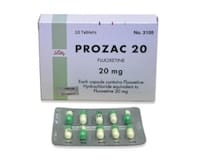
Order Prozac Online: Secure Your Prescription Today
Clinical Indications and Therapeutic Roles
Imagine your brain as a frantic metropolis where neurons are constantly shouting messages to one another. Serotonin serves as the vital courier, sprinting through these neural streets to deliver signals. However, the “reuptake” process sometimes acts like an overzealous cleaning crew, sweeping up these messengers before they can even be heard. This is where Prozac steps in to keep the dialogue going.
Acting as a Selective Serotonin Reuptake Inhibitor (SSRI), fluoxetine works by obstructing the reabsorption of serotonin. By slowing down that rapid cleanup, the medication ensures that a higher volume of serotonin lingers in the synaptic cleft. It is a subtle physiological adjustment, yet it can be the difference between a dull, colorless existence and a life that feels manageable and bright once again.
The process is akin to adjusting a radio that has been stuck on static for months. By balancing these chemical levels, the drug helps stabilize the neural pathways that manage emotional processing. It won’t force a smile onto your face, but it provides the biological scaffolding necessary for your brain to maintain a more even mood over the long haul.
Addressing Mood Fluctuations and Persistent Thoughts
Major Depressive Disorder often feels like wading through a dense, heavy fog that refuses to dissipate. Many patients discover that Prozac helps clear the haze, allowing them to engage with daily life without the crushing weight of lethargy. It specifically targets the fundamental biological imbalances that frequently define long-term depressive episodes in many adults.
Beyond mere sadness, this medication acts as a heavy hitter against Obsessive-Compulsive Disorder (OCD). For those caught in the repetitive loops of intrusive thoughts, the SSRI can help dampen the mental noise. It serves as a buffer, making overwhelming urges feel less like a crashing tidal wave and more like a distant, manageable murmur in the background.
Panic Disorder is also within its therapeutic reach. When the body’s “fight or flight” mechanism triggers without reason, it can feel like a sudden thunderstorm appearing in a clear sky. By stabilizing the neurochemistry linked to the anxiety response, Prozac helps soften those sudden, terrifying spikes of physiological panic.
Patients often find relief when the relentless “what if” scenarios lose their grip on them. While it isn’t a magic wand, it offers a much-needed level of emotional breathing room. This stability is crucial during psychotherapy, as it allows the individual to actually apply coping mechanisms without being paralyzed by sudden, intense waves of fear.
Treating Specific Clinical Conditions
Eating disorders, particularly Bulimia Nervosa, require a highly specialized therapeutic approach. Prozac has earned FDA approval for this specific use, helping to curb the frequency of binge-eating and purging behaviors. For many, this chemical support serves as a vital tool in breaking the destructive cycles of food-related compulsions and regaining a sense of control.
Premenstrual Dysphoric Disorder (PMDD) can feel like an emotional rollercoaster that is impossible to steer. The intense irritability and mood shifts associated with PMDD can be truly debilitating. Fluoxetine helps smooth out these dramatic, hormone-driven swings, providing many women with a more consistent emotional baseline throughout their entire menstrual cycle.
When comparing different treatment options, costs can vary significantly depending on the pharmacy and insurance provider. For instance, a generic month’s supply might cost approximately $15, while brand-name versions or specialized combinations could reach much higher price points. Always consult a medical professional regarding the specific financial and medical implications of your prescription.
The versatility of fluoxetine is quite remarkable in the clinical world. It covers a wide spectrum of psychological conditions, from the deep lows of clinical depression to the specific, repetitive patterns seen in OCD. This wide-ranging efficacy makes it a cornerstone of modern psychiatric pharmacology for a truly diverse range of patients.
Managing Complex Mood Stabilization
Not every mental health challenge is a solo act; sometimes, two different medications must work in tandem. For individuals living with Bipolar I Disorder, treating depressive episodes requires a very delicate balance. Using Prozac alone in these specific cases can sometimes be like adding fuel to a fire, potentially triggering a manic episode.
To counter this risk, the FDA has approved a specific combination of Prozac and Olanzapine. This duo is designed to target depressive symptoms while the Olanzapine helps keep the “highs” of Bipolar I in check. It is a strategic, two-pronged approach intended to provide stability in both directions of the mood spectrum.
This combination therapy highlights the inherent complexity of brain chemistry. It acknowledges that mood regulation isn’t just about boosting one single chemical, but about maintaining a precise, delicate equilibrium. For many, this targeted approach is the essential key to navigating the intense shifts characteristic of Bipolar I Disorder.
| Condition Treated | Role of Fluoxetine | FDA Status |
| Major Depressive Disorder | Mood Regulation | Approved |
| OCD | Reducing Intrusive Thoughts | Approved |
| Bulimia Nervosa | Reducing Binge/Purge Cycles | Approved |
| Bipolar I (with Olanzapine) | Treating Depressive Episodes | Approved |
How to Take Your Medication and Expected Dosages
When a physician begins designing a clinical roadmap, they typically favor a measured, cautious way forward. For those battling major depressive disorder, a common starting point is a 20 mg dose once every day. This isn’t a rigid template for everyone, as your doctor will likely monitor your personal physiological response before suggesting any major adjustments.
If you are wrestling with the chaotic waves of panic disorder or anxiety, the initial steps might look quite similar. The ultimate objective is to hit that “Goldilocks” sweet spot—finding a dose that is potent enough to work but low enough to avoid overwhelming side effects. It is a delicate balancing act for your neurological health.
Think of consistency as the secret ingredient that makes the whole equation work. By taking your pills at the exact same time each day, you ensure the medication levels in your bloodstream remain steady. It is much like the predictable ebb and flow of the ocean; you want a rhythmic, stable tide to keep your emotional state grounded.
Some patients find that an morning dose prevents them from feeling too sluggish or sleepy during the evening. Conversely, others might opt for nighttime administration if the pills make them feel a bit drowsy. Whatever your preferred timing, stay the course, because skipping pills can throw off the mental rhythm your brain is trying to cultivate.
Treating Specific Medical Conditions
Addressing Obsessive-Compulsive Disorder (OCD) is often a completely different animal than treating standard depression. For these patients, the effective therapeutic window frequently requires much higher amounts. A doctor might slowly bump the dosage well past the initial 20 mg mark to help dampen those loud, repetitive, and intrusive mental loops.
Eating disorders, specifically Bulimia Nervosa, also necessitate a highly specialized and often more intense dosing strategy. This approach aims to strike the specific neural pathways that drive binge-purge impulses. Rather than just shifting mood, the goal is to recalibrate the brain’s impulse control and reward centers to help you reclaim control over food.
Because these specific issues can be quite stubborn, the titration process—the gradual increase of your dose—is absolutely critical. Jumping straight into high doses can feel like diving into a freezing pool; it is a massive shock to your biology. A slow, measured ascent allows your system to adapt without causing heavy nausea or tremors.
While managing these complex treatments, you might wonder about the monthly financial commitment for various prescriptions. While generic versions are typically very budget-friendly, specialized brands or combination pills can become expensive. Here is a quick glance at the estimated pharmacy costs you might encounter.
| Prescription Category | Quantity (Monthly) | Estimated Price |
|---|---|---|
| Generic Fluoxetine | 30 Capsules | $15 |
| Brand Name Prozac | 30 Capsules | $65 |
| Combination Therapy (with Olanzapine) | 30 Capsules | $120 |
| Extended Release Options | 30 Capsules | $95 |
Understanding the Long Half-Life Effect
One of the most fascinating traits of fluoxetine is its remarkably long half-life. While most drugs exit your system fairly quickly, fluoxetine lingers like a guest who overstays their welcome at a party. It can take a full several weeks before the medication is entirely cleared from your biological system.
This persistent presence is a double-edged sword for many patients. On the positive side, it offers a “safety net” if you happen to miss a dose, preventing an immediate crash into withdrawal. It provides a level of chemical equilibrium that shorter-acting drugs simply cannot match during a hectic week.
However, this longevity means that if side effects arise, they may not vanish the moment you stop the medication. It takes a significant amount of time for blood levels to drop. Understanding this “lag time” is vital for setting realistic expectations and talking clearly with your medical provider.
If the medication makes you feel slightly jittery or triggers headaches, keep in mind that it takes time for your chemistry to settle. You aren’t just battling symptoms; you are waiting for your internal environment to reach a new steady state. Patience is often a vital component of the healing journey.
The Necessity of Tapering Safely
If you and your medical professional decide it is time to stop the medication, never attempt to quit “cold turkey.” Stopping abruptly is like slamming the brakes while traveling at seventy miles per hour; it creates a violent internal jolt. This can trigger “discontinuation syndrome,” which can be quite unpleasant to endure.
Following a medically supervised tapering schedule is the only secure way to navigate this transition. Your doctor will likely recommend a gradual reduction, lowering your dose by tiny increments over several weeks or many months. This method allows your brain to slowly adjust its natural serotonin production without a sudden void.
Throughout this transition, you must remain very observant of your mental and physical state. It is helpful to keep a log of your moods and any new sensations that occur. If you experience a “rebound” of old symptoms, it is not necessarily a sign of failure; it might just mean the taper is moving too fast for you.
View the tapering process like a slow descent from a high mountain peak. You shouldn’t jump off a cliff; instead, you take small, controlled steps down a winding path. With a professional guide and a steady pace, you can return to your baseline with as little turbulence as possible.
What to Expect and Safety Precautions
Embarking on a new pharmaceutical journey can feel like learning a complex dance without a partner. You might stumble slightly as you find your footing, which is a standard part of the process. Many patients navigate a sea of physical sensations while their brain adapts to increased serotonin levels in the bloodstream.
A persistent headache or a feeling of nausea are frequent grievances. You may feel as though your stomach is tied in a knot for the initial several days. These discomforts generally fade once your biology finds its equilibrium, yet they can be quite bothersome during that transition.
A few individuals might notice slight tremors, appearing as a minor shaking in their hands. It is a strange sensation, much like the jitters from drinking far too much coffee. If these physical disturbances become unmanageable, please reach out to your physician without hesitation.
Nervous System and Body Composition
Beyond the usual digestive or cranial issues, your neurological system might react in subtle ways. You might encounter a sudden spike in anxiety or a sense of being constantly “on edge” despite your desire for peace. This specific type of restlessness is a documented response that requires professional oversight.
In much less frequent and more severe cases, seizures are a consideration. While most users will never experience this, it remains a vital safety alert for medical professionals to track. It serves as a reminder that this medication is a potent chemical instrument for the brain.
Regarding your physical makeup, the situation can become somewhat nuanced. Although initial weight loss occurs for some, extended use can occasionally alter your metabolic rate. While this is certainly not a guaranteed outcome, monitoring your weight over the long haul is a prudent habit.
Imagine your metabolism functions like a precision-engineered engine. Occasionally, tweaking the fuel—or in this instance, your neurochemistry—can disrupt how your body burns energy. Staying conscious of your nutritional intake and exercise habits can help manage these potential fluctuations during your long-term treatment.
Understanding Different Drug Categories
It is extremely frequent for patients to mistake Prozac for something like Xanax, but they are entirely different animals. Xanax falls under the benzodiazepine category, acting like a heavy quilt to quickly soothe the nervous system during panic. It is typically utilized for the immediate, temporary relief of intense anxiety.
Conversely, Prozac is an SSRI, which operates much more like a slow-rising tide. It lacks that instantaneous “hit” of relaxation; instead, it works gradually over several weeks to elevate your serotonin baseline. Think of it as a marathon runner, whereas a benzodiazepine is a sprinter designed for sudden bursts of tension.
Since their mechanisms are so distinct, using them as substitutes is a significant error. One is intended for rapid stabilization during a crisis, while the other is built for the sustained management of mood disorders and various conditions. Grasping this difference is vital to knowing how your prescription will behave.
Urgent Safety Warnings
Two major warning signs require your immediate attention: suicidal ideation and serotonin syndrome. Although statistics indicate these occurrences are rare, they are certainly possible. If your thoughts take a sudden, dark turn or you feel an impulse to self-harm, seek emergency help at once.
Serotonin syndrome represents another rare but hazardous condition. This happens when serotonin levels become excessively high, frequently caused by drug interactions. Symptoms may involve muscle stiffness, a racing heart, and confusion. This is a medical crisis that necessitates prompt clinical treatment.
Always ensure your healthcare providers are aware of every supplement or over-the-counter product you ingest. Even a basic cough syrup can create a problematic interaction. Taking charge of your safety means being vocal about every single substance you take.
Evaluating Monthly Expenses and Price Variations in USD
Stepping up to the pharmacy window can sometimes feel like a stressful gamble with your finances. One minute you are discussing your wellness, and the next, you are staring at a total that makes your jaw drop. Mapping out the price gap between Prozac and its generic counterpart, fluoxetine, is your first step toward financial stability.
The original brand-name version carries a hefty premium, much like a luxury goods item for your medicine cabinet. You might find yourself shelling out upwards of $300 to cover a single month of the trademarked formula. It is a steep mountain to climb when you are already fighting an uphill battle with your mental health.
Luckily, switching to generic fluoxetine is a much more budget-friendly choice for the average person. Most users will find that generic options run between $15 and $50 for a month’s supply, depending on which local shop you visit. This spread can feel like the difference between a gentle breeze and a gale-force wind when you are balancing a tight wallet.
How Pill Type and Volume Impact Costs
Every single pill is not created equal when it comes to the final amount on your receipt. Whether your prescription comes as a capsule or a tablet can swing your total expenditure in unexpected directions. Often, tablets serve as the “bread and butter” of the industry, generally offering the most consistent and predictable costs for those on long-term regimens.
Capsules may seem like a trivial distinction, but they can occasionally carry a slight extra charge due to how they are manufactured. If your physician insists on a specific delivery method, you should keep a close eye on those line items. Tiny manufacturing differences can lead to several extra dollars disappearing from your pocket every month.
The sheer quantity of your medication also acts as a massive lever for your total USD spending. Ordering a 90-day supply all at once is frequently much cheaper per dose than picking up a 30-day stash every four weeks. It is much like buying in bulk at a wholesale club; the initial outlay is larger, but the long-term savings are undeniable.
Take a look at these rough estimates for typical monthly quantities:
- 30-day supply (generic): $15 – $40
- 30-day supply (brand-name): $250 – $400+
- 90-day supply (generic bulk): $40 – $90
Navigating Insurance Plans and Personal Expenses
Having health insurance acts as a vital safety net, though it is certainly not a magic wand for everyone. If your plan features a high deductible, you might end up paying the full negotiated rate until that threshold is reached. It can certainly feel like you are rowing against a heavy current in a storm.
After that deductible is cleared, your co-pay might drop down to a mere $10 or $20. However, many patients find themselves stuck in a “gray zone” where coverage exists but out-of-pocket costs remain high. Always check with your pharmacist for the “cash price” versus the “insurance price” before you commit to the purchase.
In some instances, the cash price for a generic version actually ends up being lower than your insurance co-pay. It sounds backwards, but it happens more often than you would expect. Do the math carefully before you swipe that card at the register to ensure you are grabbing the best possible deal.
| Cost Scenario | Est. Monthly (Generic) | Est. Monthly (Brand) |
| With Insurance (Co-pay) | $5 – $25 | $40 – $100 |
| Without Insurance (Cash) | $15 – $50 | $250 – $450 |
Local Variables and Pharmacy Markups
Your physical location can significantly alter the numbers printed on your pharmacy receipt. A shop in a crowded, high-cost city might have much higher overhead than a quiet, small-town pharmacy. It is a frustrating truth that your zip code can play a role in what you pay for psychiatric care.
Markups applied by different pharmacies also act as a variable that can throw a wrench in your financial planning. Major retail chains often utilize different pricing models than independent local shops or mail-order providers. Mail-order services frequently stand as the champion of savings, particularly for those requiring maintenance meds like fluoxetine.
Never hesitate to shop around or utilize digital price-comparison tools to your advantage. Being a savvy consumer is vital when you are managing a chronic condition on a budget. A little bit of investigative legwork today can save you hundreds of dollars over a single year, giving you much-needed breathing room in your monthly finances.
The Logistics of Procurement and Delivery
Navigating the Medical Consultation Requirement
Acquiring fluoxetine is a far cry from grabbing a bag of snacks during a grocery run. You cannot simply toss this medication into a digital basket and call it a day. Instead, a formal meeting with a medical professional serves as the necessary bridge between your diagnosis and your actual treatment.
It is vital that a doctor reviews your personal health history to decide if an SSRI is the most suitable path for you. This meeting might occur in person at a clinic or via a legitimate telehealth interface. Trying to bypass this requirement is like driving without brakes; it is a reckless shortcut that invites legal trouble and health risks.
Should your clinician decide this medication is appropriate for your wellness, they will issue a formal prescription. Consider this document your golden ticket to receiving your treatment. No reputable pharmacy, whether they have a physical storefront or an online presence, can legally fill an order without this essential piece of paperwork.
Online services often make the whole ordeal feel incredibly smooth, but don’t be fooled by the simplicity. The provider must confirm your identity and your current physiological state. This level of oversight is precisely what distinguishes a professional medical entity from a rogue, unregulated site selling dangerous, fake substances.
Confirming Your Pharmacy and Prescription
The internet is a vast ocean, but not every vessel is seaworthy. When you are hunting for prescriptions online, checking the distributor’s legitimacy is paramount. A genuine pharmacy will always insist on seeing a valid prescription from a licensed practitioner. If a site claims you can skip the doctor for a $20 deal, run for the hills.
Scrutinize the site for specific professional credentials to avoid being swindled. A legitimate vendor should be able to show proof of their license to operate within your specific region. You can often verify these details through your state pharmacy boards. Paying an extra $10 for a verified source is a small price for peace of mind.
Reliable companies will also display clear contact details, such as a physical office address and a working telephone number. If the website feels like a patchwork of broken links or uses sketchy, unencrypted payment portals, trust your instincts. A real medical business prioritizes transparency and your safety over making a quick, shady buck.
Always look for the following markers of a reputable pharmacy:
- Requirement of a valid, current prescription for every single order.
- Full transparency regarding all shipping costs and any extra handling fees.
- Usage of secure, encrypted payment processing to protect your finances.
- A transparent policy for returns and accessible channels for customer service.
Transit Times and Package Safety
Once you hit the “order” button, the clock starts ticking on your arrival date. Delivery windows fluctuate depending on whether you choose standard or expedited mail. Standard options might take 5 to 10 business days, while expedited mail can arrive in as little as 2 days. Plan accordingly so you never run out.
Most honest pharmacies provide a tracking number, allowing you to monitor your package’s journey in real-time. This is a total lifesaver if you are traveling or need to ensure someone is home to collect it. Watching the map move can significantly reduce the anxiety often felt while waiting for healthcare deliveries.
While fluoxetine is generally stable, temperature control remains a silent but critical factor during transit. Many medications are highly sensitive to extreme heat or freezing temperatures. High-quality distributors use specialized packaging to shield your pills from the elements. You certainly do not want your pills baking in a sweltering truck for a week.
Upon arrival, check your package immediately for any signs of damage or tampering. If the seal is broken or the box looks crushed, notify the provider right away. Your medicine must arrive in pristine condition to ensure the chemical composition remains safe and effective for your daily routine.
| Delivery Type | Expected Arrival | Typical Cost (USD) |
| Standard Ground | 5-10 Business Days | $5 – $15 |
| Expedited Mail | 2-3 Business Days | $25 – $50 |
| Overnight Delivery | 1 Business Day | $50 – $90+ |
Comparing Various SSRI Options
Finding the right psychiatric prescription is rarely a simple task. It can feel like trying to navigate a thick fog without a compass. While Prozac remains a titan among SSRIs, alternatives like Lexapro or Zoloft might suit your specific biology better. Every person’s neural landscape is uniquely shaped.
Sertraline, commonly known as Zoloft, is a frequent choice for those battling intense panic or high-level anxiety. It moves through your system with a distinct tempo compared to fluoxetine. While some find it provides a sense of being “grounded,” others deal with stomach issues. Doctors must weigh this mental stability against potential digestive discomfort.
Escitalopram, marketed as Lexapro, earns praise for its surgical accuracy. Because it acts as a “cleaner” molecule, it focuses on serotonin with incredible specificity. This targeted approach often results in fewer unintended side effects for many patients. However, securing the ideal match usually requires a bit of trial and error with your doctor.
Comparing Half-Life: The Long Haul vs. The Quick Fix
A major distinction lies in how long these substances remain active in your body. You could think of Prozac as the marathon runner of the group. Because its half-life is exceptionally long, it lingers in your blood for weeks even after your final dose. This provides a built-in safety net if you skip a day.
On the flip side, medications like Lexapro or Zoloft have much shorter half-lives. If you miss a dose of these, the “crash” might hit you almost instantly. Such gaps can trigger “brain zaps” or withdrawal-like sensations if you aren’t strict with your timing. This makes it a vital factor in your daily routine.
This lingering presence is a double-edged sword, to be sure. While it shields you from sudden withdrawal, it also means a bad side effect won’t disappear quickly. You can’t simply quit Prozac and expect it to vanish by morning. It demands significant patience and constant medical oversight.
Moving Beyond SSRIs: Managing Complex Conditions
At times, using an SSRI alone is like attempting to douse a wildfire with a small spray bottle. For those living with Bipolar I Disorder, standard antidepressants can sometimes spark manic episodes. In these intricate scenarios, clinicians often pivot toward mood stabilizers or blended therapies to maintain equilibrium.
For example, clinical data suggests that pairing Prozac with Olanzapine can help manage depressive episodes in Bipolar I patients. This strategy isn’t merely about raising serotonin levels; it’s about smoothing out the extreme highs and lows. It is a highly nuanced solution for a deeply complex neurological puzzle.
Prescribing an SSRI for a mood disorder without a stabilizer is like driving a car with a stuck gas pedal. Your mood might lift, but it could soar too high, resulting in total instability. Always share your complete psychiatric history so your doctor can tailor your treatment to your specific diagnosis.
Evaluating Side Effects and Metabolic Considerations
The “best” pill is often defined by which side effects you find most tolerable. Some patients worry about gaining weight, while others dread “emotional blunting” that makes them feel like a zombie. These personal concerns carry as much weight as a drug’s clinical success rate.
Metabolic changes are an increasing priority in long-term psychiatric care. Certain antidepressants are more likely to influence blood sugar or cause weight gain than others. If your metabolic health is already a concern, your physician might suggest “weight-neutral” alternatives. The aim is to balance your mind and body simultaneously.
As you weigh your choices, keep these common profiles in mind:
- Prozac: Often provides a boost of energy; its long half-life lowers the risk of withdrawal.
- Zoloft: Frequently prescribed for anxiety; might cause initial nausea or stomach upset.
- Lexapro: Highly targeted; typically involves fewer interactions with other medications.
In the end, the objective is to reach a steady emotional baseline. You should never have to sacrifice your physical wellness to achieve mental clarity. Whether the monthly cost is $10 or $100, the true value lies in finding the chemical harmony that lets you truly live.