
The Allure of Chance and Risk
Gambling has a captivating psychological appeal that draws individuals into the enticing world of chance and risk. The thrill of winning can evoke feelings akin to those experienced during extreme sports or adventurous pursuits. This excitement emerges from the uncertainty associated with each wager, leading players to experience a dynamic interplay between hope and despair, especially when exploring various esports betting sites that add another layer of excitement to the game. It’s this emotional rollercoaster that enhances the allure, making the gambling experience feel more intense and compelling, often leading individuals back for more.
The concept of risk-taking is deeply embedded in human psychology. Certain personality traits predispose individuals to seek out exhilarating experiences, and gambling serves as a perfect outlet for satisfying that craving for adventure. Research indicates that engaging in gambling activates the brain’s reward system, releasing dopamine, a neurotransmitter that fosters feelings of pleasure. This biochemical response can help explain why many individuals continue to gamble, despite the inherent risks and potential financial losses involved.
The environment of casinos is meticulously designed to amplify this sense of allure. Vibrant lights, the sounds of coins clinking, and the cheers of winners create a rich tapestry of sensory experiences that evoke powerful emotions. Such stimuli are deliberately crafted to enhance the thrill of gambling, often creating a mesmerizing atmosphere that makes it increasingly difficult for players to disengage, even when faced with mounting losses. This immersive experience reinforces the psychological grip that gambling can have on individuals.
The Role of Cognitive Biases
Cognitive biases significantly influence gambling behavior, shaping players’ perceptions of odds and decision-making. One prevalent bias is the illusion of control, where gamblers mistakenly believe they can influence game outcomes through skill or strategy. This misconception leads to an inflated sense of winning probability, prompting players to make riskier bets. In games governed solely by chance, such as roulette, this belief can result in irrational betting behavior, as players cling to the notion that they can sway the outcome.
Another cognitive bias that exacerbates gambling addiction is the gambler’s fallacy. This belief posits that past random events can influence future outcomes, causing players to feel “due” for a win after experiencing a streak of losses. For example, a gambler might persist in playing despite losing several rounds, convinced that a victory is imminent. Such thinking fosters a dangerous cycle that can significantly affect gambling behavior, leading to increased risk-taking and potential financial ruin.
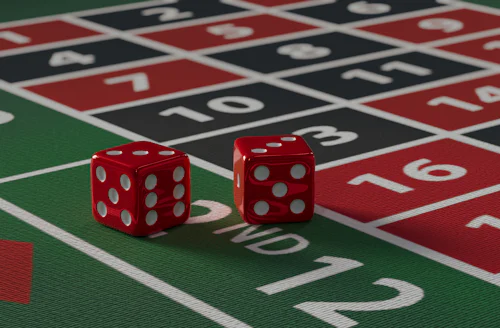
The phenomenon of near misses also plays a vital role in the psychological dynamics of gambling. When players experience a loss that feels close to a win, their brains often process this event as more significant than a straightforward loss. This perception can create a sense of success, motivating players to continue gambling under the belief that they are just a step away from achieving a payout. This intricate interplay between cognitive processes and emotional responses highlights the complexities of gambling psychology.
The Social Dynamics of Gambling
Gambling is often perceived as a social activity, with many individuals visiting casinos in groups to share the thrill of the experience. This social dimension can enhance enjoyment as players celebrate wins together and console each other over losses. The camaraderie formed in these environments fosters a sense of belonging, which can encourage individuals to return to gambling venues, thereby reinforcing the cycle of play. The social interactions often overshadow the financial risks involved, making the experience more enjoyable and memorable.
Peer influence is another essential factor that shapes gambling behavior. Friends or family members who engage in gambling can significantly impact an individual’s choices, making them more likely to partake in similar activities. This dynamic can lead to increased participation and, in some cases, excessive gambling, particularly among younger demographics. The desire for social validation can drive players to continue gambling, even when they are aware of the risks, as they seek acceptance within their social circles.
Additionally, casinos frequently host social events, competitions, and tournaments to promote group participation. These activities create a festive and engaging atmosphere, allowing players to immerse themselves in the experience fully. The presence of others can validate individual choices, making risk-taking feel more socially acceptable and less daunting. Consequently, the social dimensions of gambling significantly influence personal behavior and contribute to the broader gambling culture within casinos.
The Impact of Environment and Design
The physical layout and environment of a casino are strategically designed to exert influence over player psychology. Various elements, such as spatial arrangement, lighting, and sound, work in harmony to create a captivating atmosphere. For example, the absence of windows and clocks disorients gamblers, making it challenging to track time and often leading to prolonged stays. This deliberate manipulation of the environment is aimed at maximizing engagement and encouraging players to spend more time—and money—within the venue.
The arrangement of gaming options also plays a critical role in shaping player behavior. High-stakes games are strategically positioned in prominent areas, creating an atmosphere of excitement that beckons players to test their luck. Furthermore, the close proximity of slot machines, gaming tables, and bars facilitates fluid movement between activities, prolonging players’ stays and increasing their likelihood of participating in additional games. This design fosters a continuous cycle of engagement, leading to extended gambling sessions.
Sound design within casinos significantly contributes to the overall gambling experience. The euphoric sounds of coins, bells, and cheers create an intoxicating atmosphere that heightens player excitement. Background music is often carefully curated to evoke feelings of happiness and energy, further encouraging greater spending. These environmental factors underscore the profound impact that physical surroundings can have on psychological engagement with gambling, making the experience both calculated and immersive.
Understanding Gambling Through Research and Resources
Researching the psychology of gambling is crucial for comprehending its effects on individuals and society. Numerous studies explore the reasons behind gambling behavior, its prevalence, and the psychological ramifications of both winning and losing. Various academic fields, including psychology, sociology, and economics, contribute valuable insights into gambling behavior, providing a multidisciplinary understanding of its complexities. This wealth of research not only sheds light on gambling dynamics but also informs better practices and policies aimed at protecting players and preventing problem gambling.
In addition, resources aimed at gambling education and awareness have become increasingly vital in the face of a rapidly evolving gambling landscape. Organizations dedicated to promoting responsible gambling practices and offering support for individuals grappling with compulsive behaviors serve an essential role. By providing educational tools and resources, these organizations empower players to make informed decisions and recognize the warning signs of problem gambling. Continued education and awareness initiatives can help create a safer gambling environment for all.
As the gambling industry continues to grow, understanding its psychological aspects becomes increasingly important. Efforts to establish policies that balance entertainment with social responsibility must be rooted in comprehensive research and a deep understanding of the motivations driving individuals to gamble. By prioritizing education and awareness, we can cultivate a gambling culture that emphasizes enjoyment while ensuring the safety and well-being of all participants.