
The Nature of Luck in Gambling
Luck plays a vital role in the dynamics of gambling, particularly in casinos where players engage in games that blend chance with skill. Unlike sports, where statistics and player performance often dictate outcomes, casino games such as slots and roulette are predominantly based on random outcomes. Luck can be defined as the unpredictable force that affects circumstances beyond one’s control, making it a crucial component in the gambling experience. For instance, a player may hit the jackpot on a slot machine seemingly out of nowhere, raising the question of whether such instances are purely coincidental or if luck genuinely influences the outcome, especially in an instant withdrawal casino environment where timing can be everything.
Moreover, many gamblers believe in the concept of ‘good luck’ and ‘bad luck.’ Superstitions abound in casinos, with players often adopting rituals to maximize positive outcomes. For example, some individuals may carry a lucky charm or engage in specific behaviors before making a bet, hopeful that these actions will tilt fortune in their favor. This belief in luck is not just anecdotal; psychological studies have shown that a gambler’s mindset can significantly impact their performance and decisions, suggesting that even perceived luck can bring about a mental edge.
In contrast, some players argue that luck is merely a facade, masking the statistical probabilities that govern casino games. They point out that games with a house edge are designed to ensure that over time, the casino profits. Therefore, even if luck appears to favor a player in the short term, the long-term outcome is statistically predetermined. This tension between the perceived influence of luck versus the underlying mathematics of gambling creates a fascinating dynamic for casino enthusiasts.
Cognitive Biases and Perception of Luck
Humans are inherently prone to cognitive biases that affect their perception of luck in gambling. The gambler’s fallacy is one such bias, where individuals mistakenly believe that past events influence future probabilities. For instance, if a roulette wheel has landed on red several times in a row, a player might feel that black is ’due’ to occur next. This flawed reasoning highlights how the perception of luck can cloud judgment and lead to irrational betting patterns. Gamblers often fall into the trap of thinking they can predict outcomes based on previous spins, which can lead to significant losses.
Another cognitive bias is the illusion of control, where players believe they can influence random outcomes through their actions. This feeling may be particularly strong in games like blackjack, where skill and strategy genuinely play a role. While strategic play can improve odds, players often overestimate their impact on luck-driven games, leading to increased wagers in hopes of capitalizing on their perceived control. Such biases illustrate how one’s understanding of luck can distort decision-making in gambling contexts, creating a paradox where players feel empowered despite the randomness of the game.
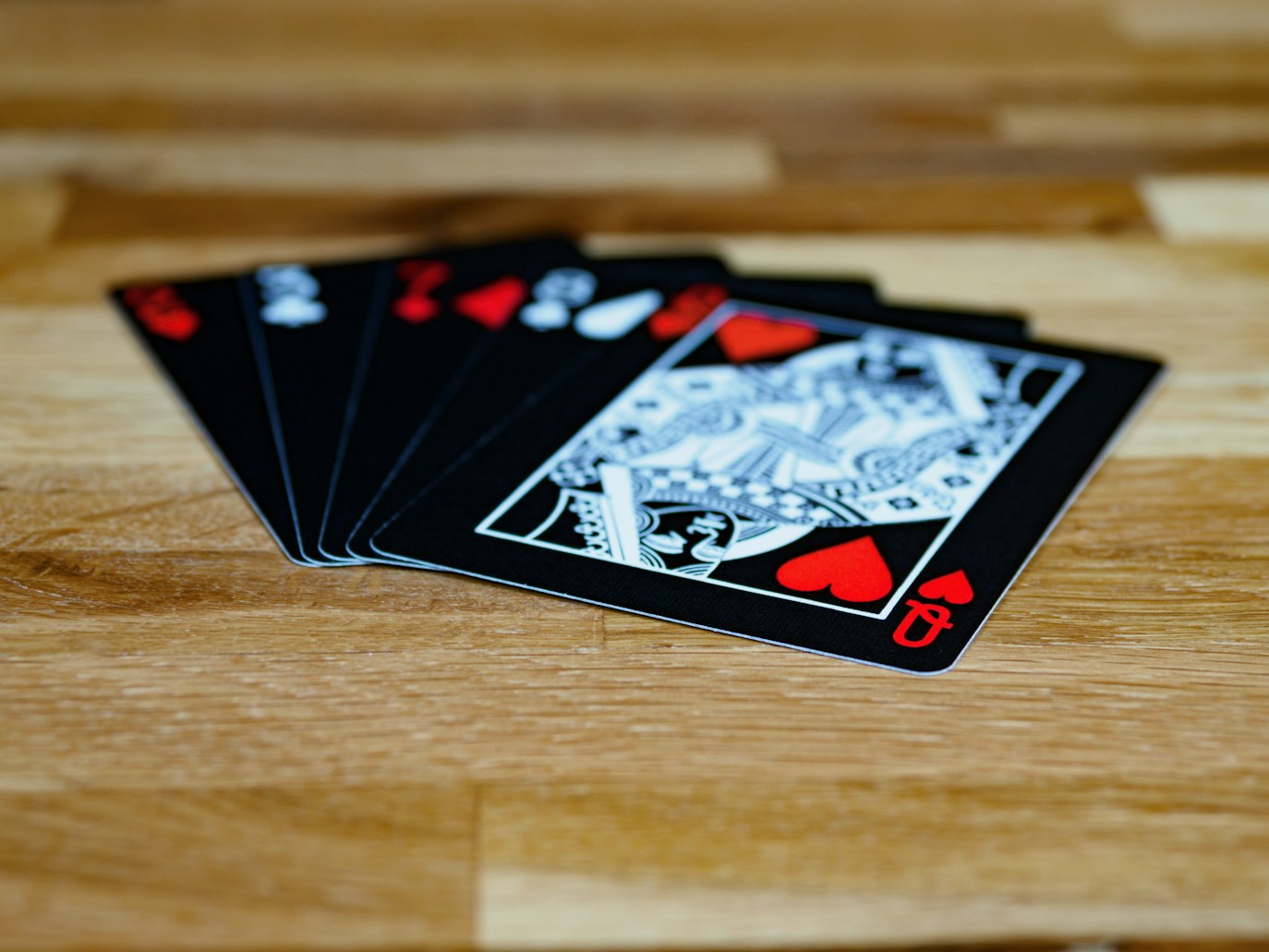
Additionally, social influences can shape perceptions of luck. In a casino environment, observing others’ winnings can create a contagious effect, prompting onlookers to believe they, too, will experience good fortune. These social dynamics can amplify feelings of luck, leading to increased risk-taking behaviors among players. Ultimately, while luck undeniably plays a role in gambling, understanding the psychological factors that influence our perceptions of luck can offer deeper insights into the casino experience. By recognizing these biases, players may be better equipped to make rational decisions rather than succumbing to the whims of chance.
The Role of Strategy in Casino Games
While luck is a significant factor in gambling, implementing strategy can enhance the overall experience and improve outcomes. Many casino games involve elements of skill, particularly in games such as poker and blackjack. In these instances, players can analyze their opponents’ behaviors, assess statistical probabilities, and make informed decisions that increase their chances of winning. However, even in skill-based games, a degree of luck is still required, as the cards dealt or the roll of the dice ultimately fall outside of a player’s control. This intersection of skill and chance creates a unique tension that keeps players engaged.
In contrast, games such as slots are predominantly driven by luck, as players have little to no influence over the outcome. Despite this, strategic slot players often approach their choices by selecting machines with higher payout rates or those that exhibit specific patterns based on previous spins. While no strategy can guarantee winning in such games, understanding the mechanics and probabilities can help players make more informed decisions that enhance their gambling experience. This analytical approach can lead to a more satisfying engagement with the game, even when luck is the primary factor.
Furthermore, the importance of bankroll management cannot be overstated in any gambling strategy. Responsible bankroll management helps players maximize their time at the casino, regardless of their perceived luck. By setting limits and adhering to a predetermined budget, players can mitigate losses and prolong their engagement, allowing more opportunities for both strategy and luck to play their part. Therefore, while luck influences fate in the casino, a well-thought-out strategy can serve as a valuable tool in achieving a more favorable outcome, transforming the gambling experience into one that is both enjoyable and potentially profitable.
The Impact of Environment and Atmosphere
The environment of a casino plays a significant role in shaping a player’s experience, often influencing their perception of luck. The vibrant colors, sounds of coins, and cheerful ambiance contribute to a heightened sense of excitement. This atmosphere can lead players to feel luckier and more optimistic as they engage with various games. Getting caught up in the energy of a bustling casino can create an illusion of increased chances of winning, thereby affecting decision-making and betting habits. The sensory overload can create a euphoric state that enhances the belief in one’s luck.

Moreover, casino marketing strategies capitalize on this psychological effect by creating a sense of urgency or exclusivity. Promotions, bonus offers, and high-stakes games draw players in with the allure of potential big wins. This manipulation of emotions may skew perceptions of luck, as players become more susceptible to the idea that fortune is within their grasp. Social factors, such as group play or shared excitement during gameplay, can amplify feelings of luck, enhancing the overall gambling experience. The shared thrill can lead to a collective belief in good fortune, which can be both motivating and misleading.
The role of dealers and staff in shaping perceptions should also not be overlooked. Professional dealers often create a welcoming atmosphere that can contribute to the feeling of luck among players. Friendly interactions and positive reinforcement can enhance a player’s confidence, making them feel more fortunate. Consequently, the casino environment, combined with social dynamics, can significantly influence the interplay between luck and fate in gambling activities. This symbiotic relationship between environment and perception underscores the complexity of the gambling experience, where external factors can shape internal beliefs about luck.
Exploring More on Luck and Fate at Our Site
For those intrigued by the interplay between luck and fate in gambling, our website offers a wealth of resources and insights. We delve into the psychological aspects of gambling, examining how perceptions of luck can impact decision-making. Additionally, our expert articles explore various casino games, dissecting strategies that can be employed to maximize your chances of success within the limits of luck. Whether you are a novice gambler or an experienced player, you’ll find valuable information to enhance your understanding of this complex dynamic. Engaging with such content can empower players to navigate the gambling landscape more effectively.
Our community forum is another great feature, allowing players to share their experiences and strategies in a supportive environment. Engaging with like-minded individuals can foster a deeper appreciation for the nuances of luck and how it can shape outcomes at the casino. We encourage discussions on luck-related superstitions, effective strategies, and personal anecdotes that reflect the various dimensions of gambling. By sharing insights, players can collectively enhance their knowledge and strategies, creating a more enriching experience for everyone involved.
Ultimately, while luck undeniably plays a pivotal role in shaping a player’s fate in the casino, knowledge, awareness, and social engagement enrich the experience. Visit our site to dive deeper into the fascinating world of gambling, where luck and strategy converge and create memorable moments at the tables and slots alike. By understanding the various factors influencing gambling outcomes, players can approach their experiences with a balanced perspective, maximizing both enjoyment and informed decision-making.